Recent Work
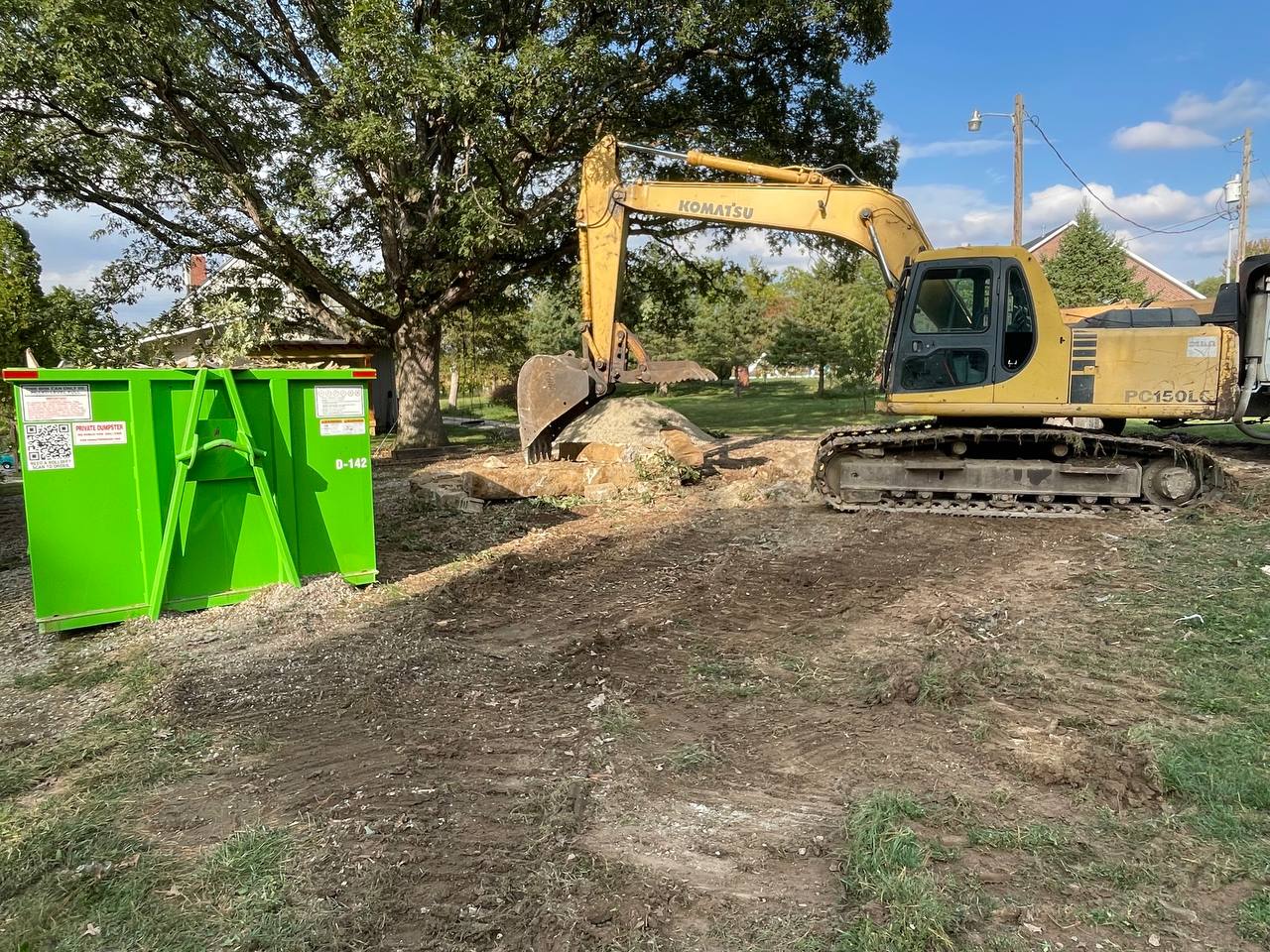
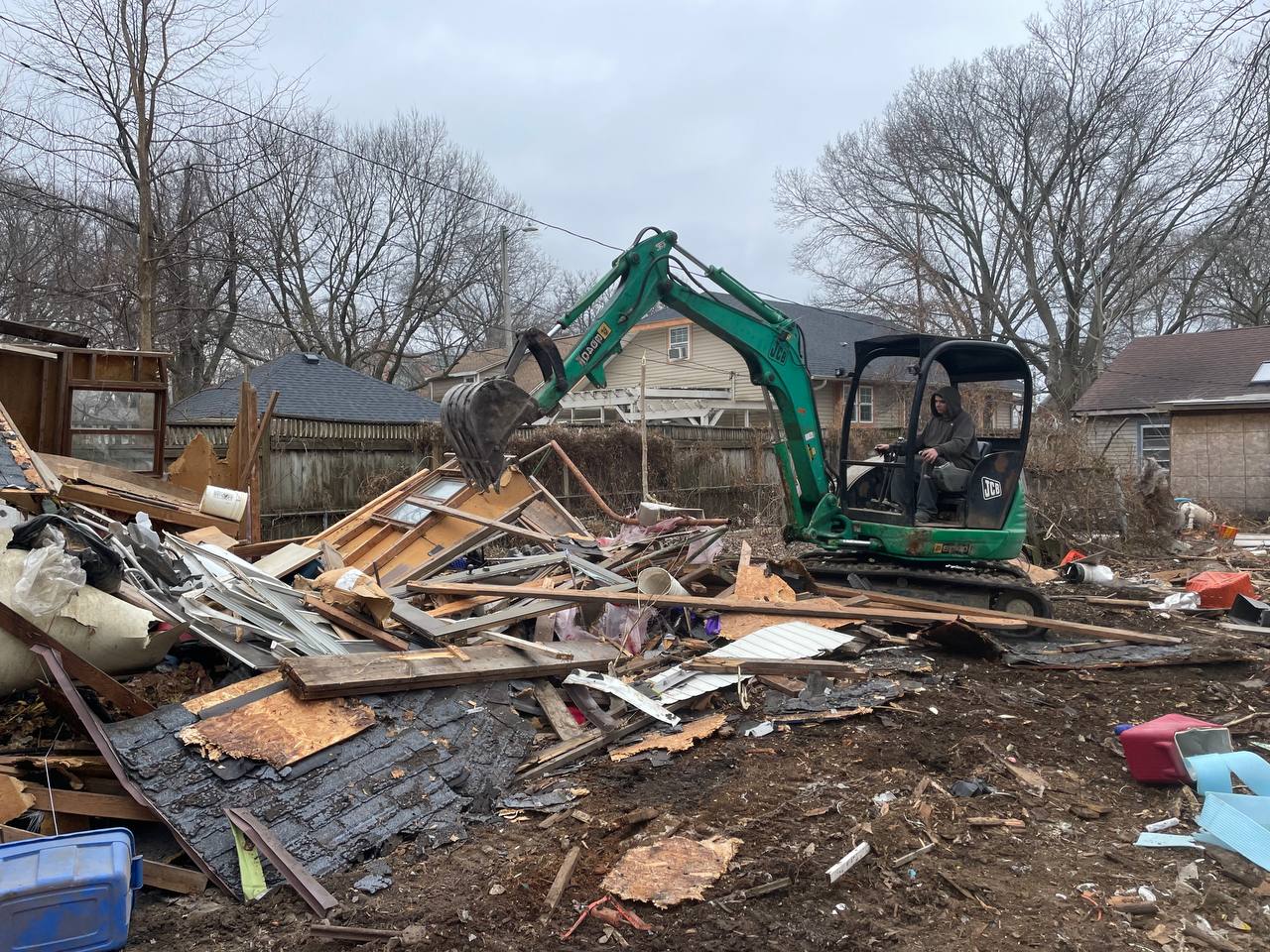
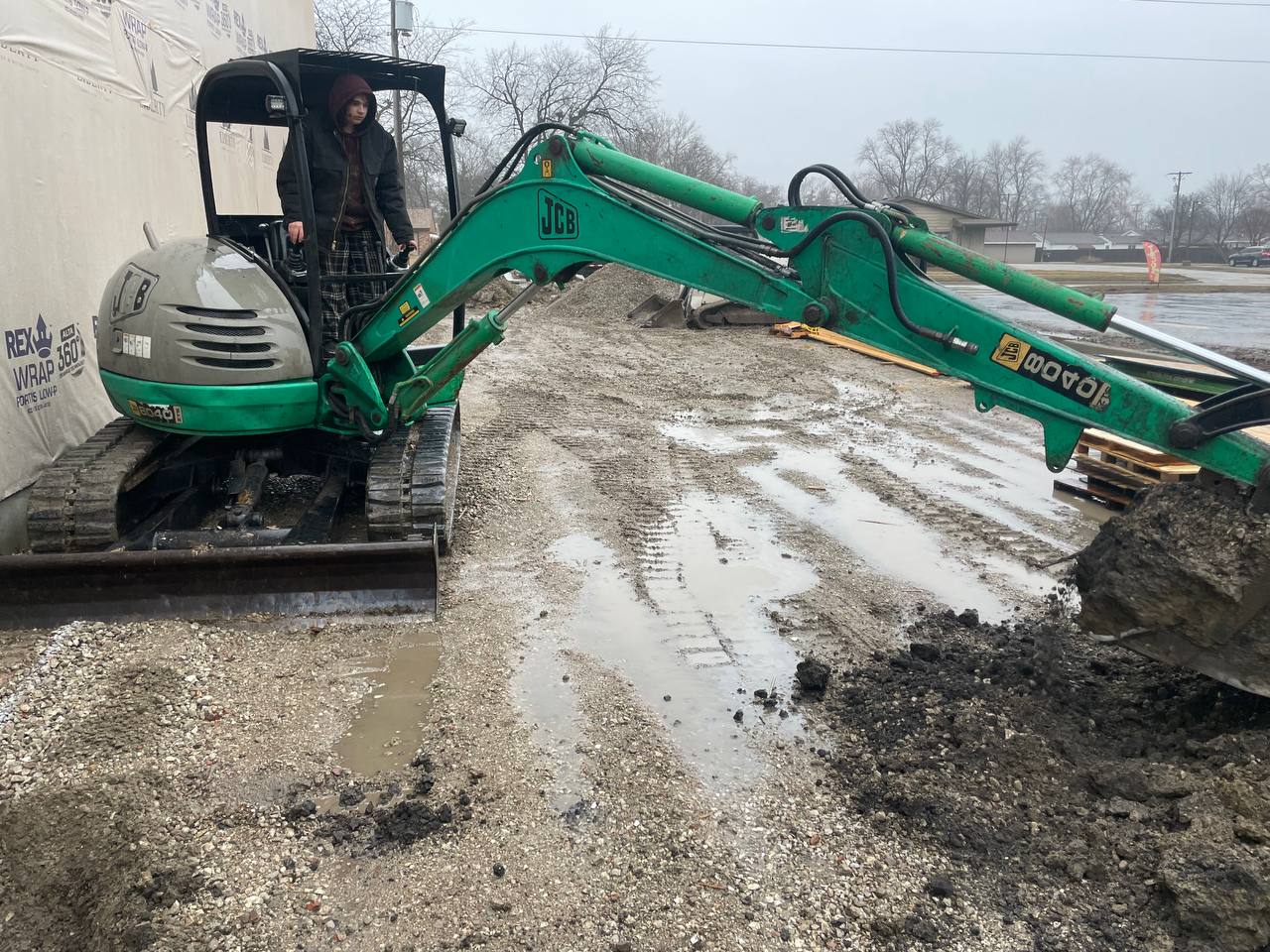

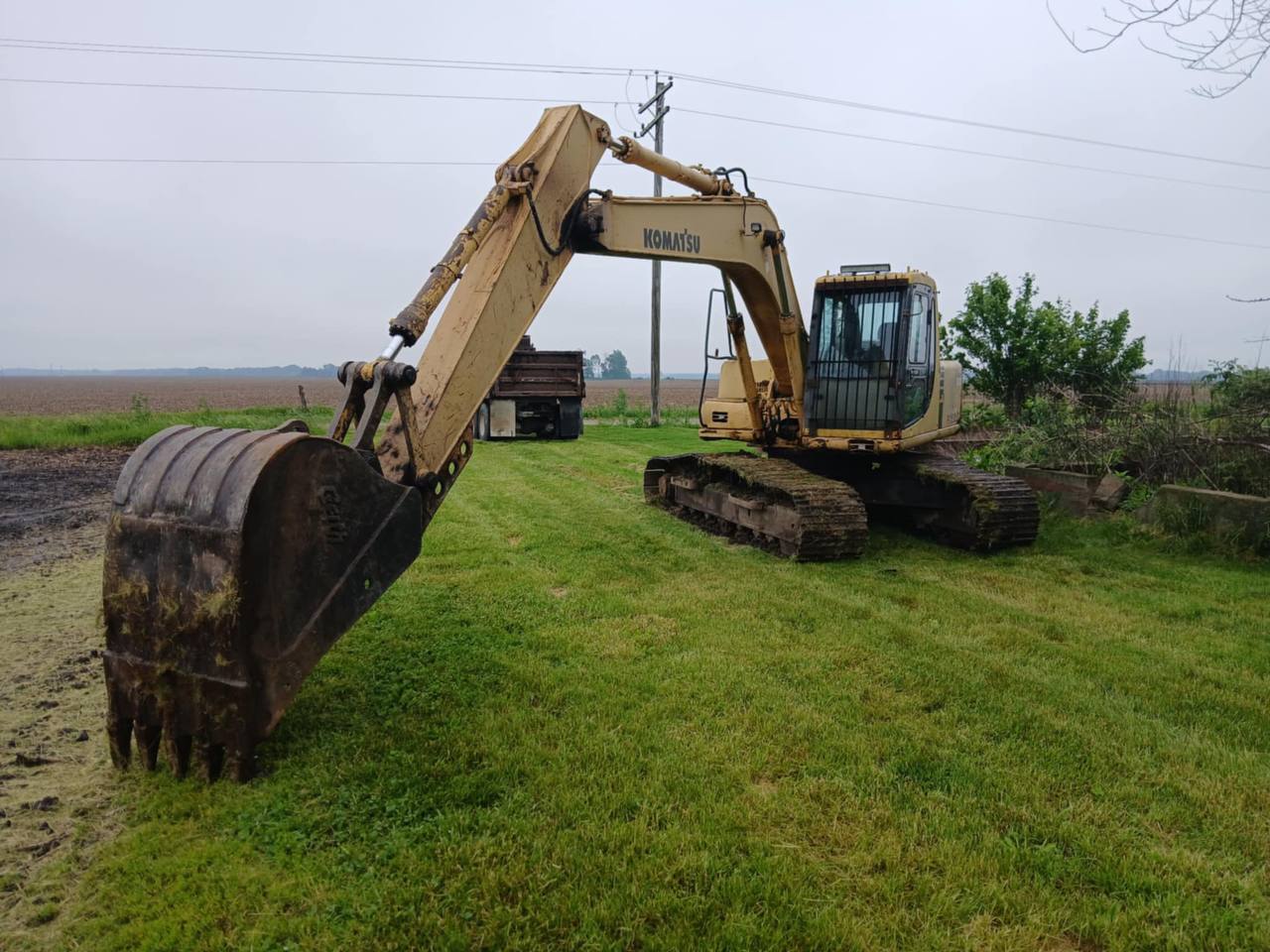
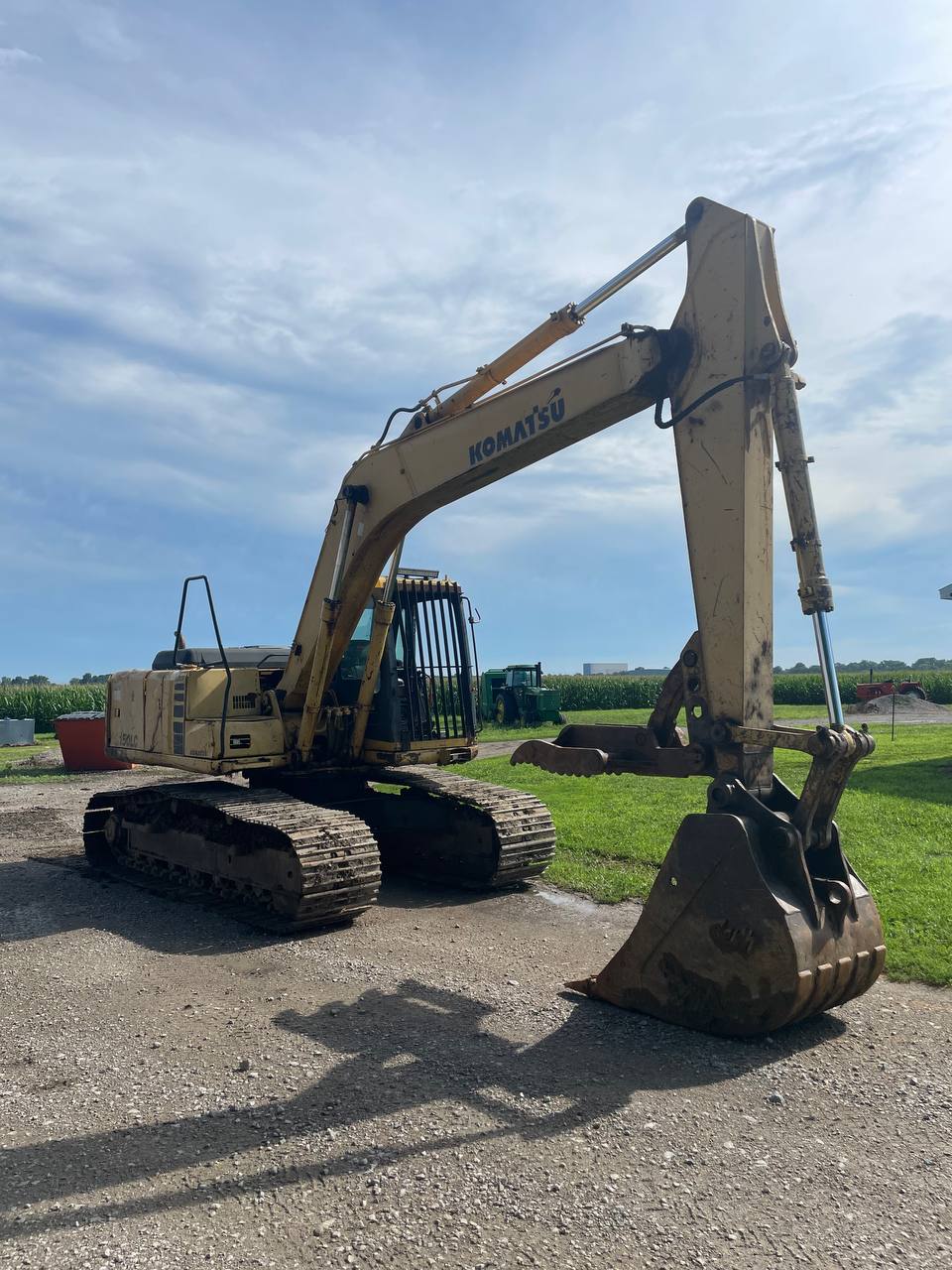
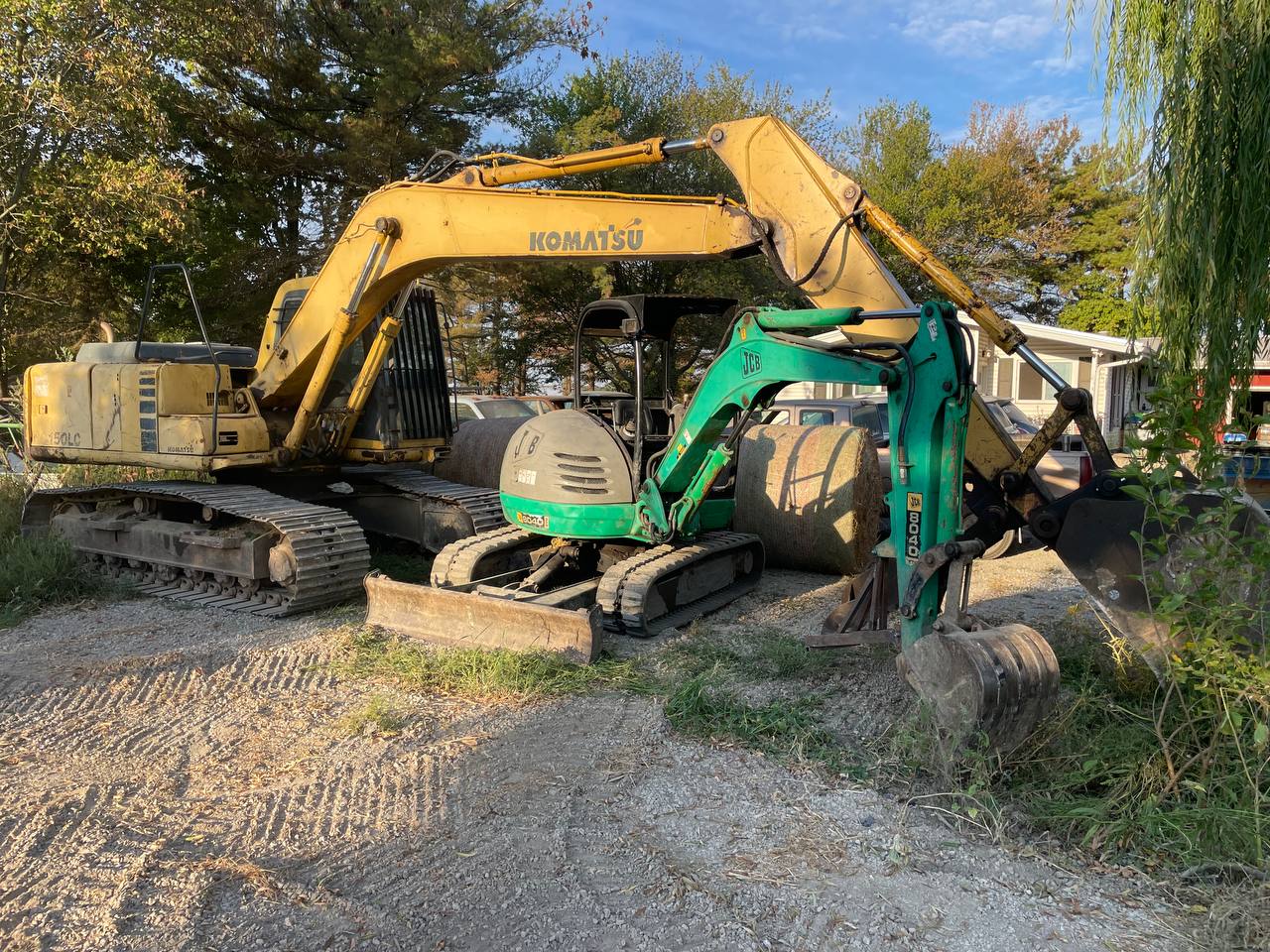
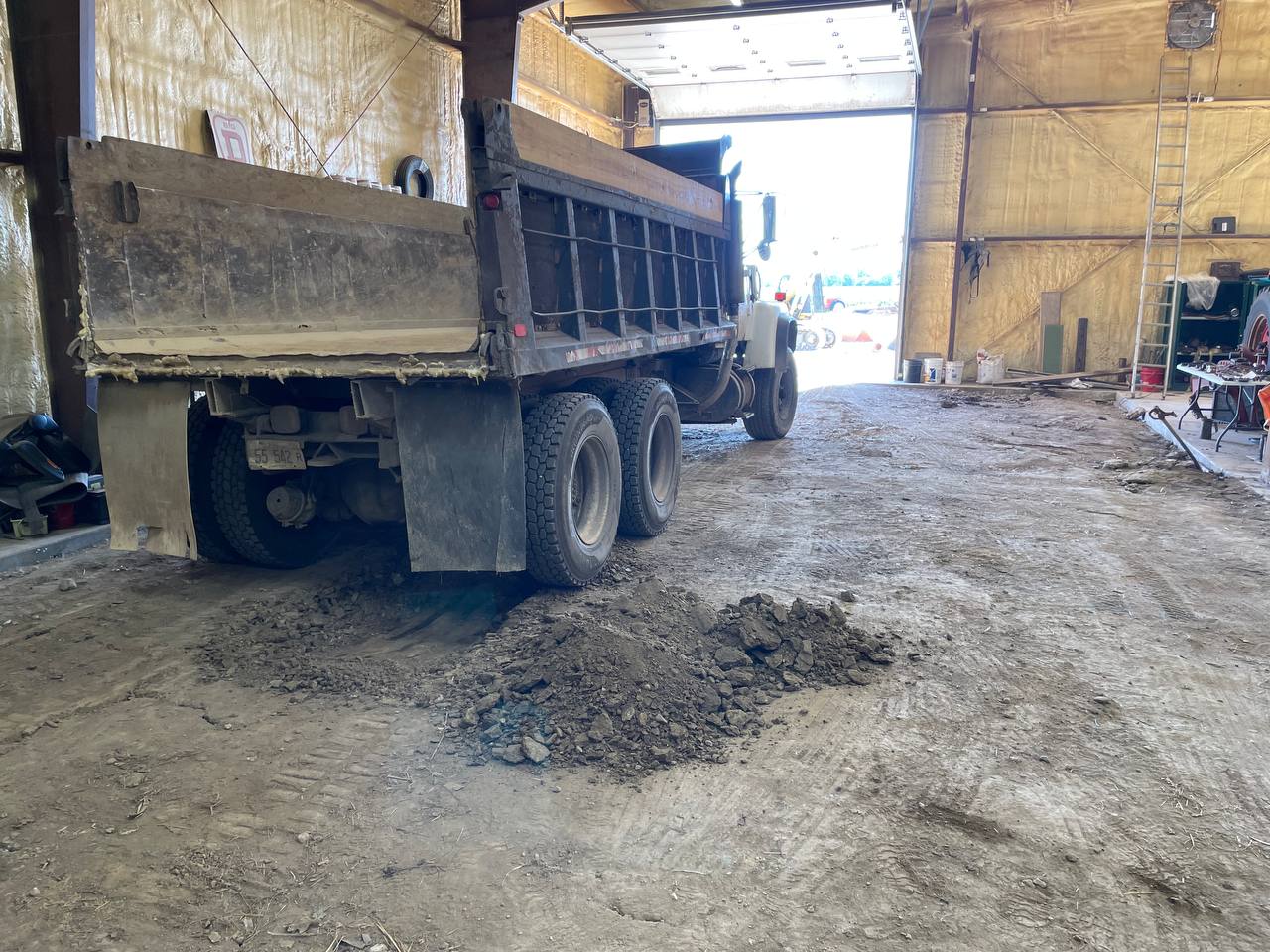
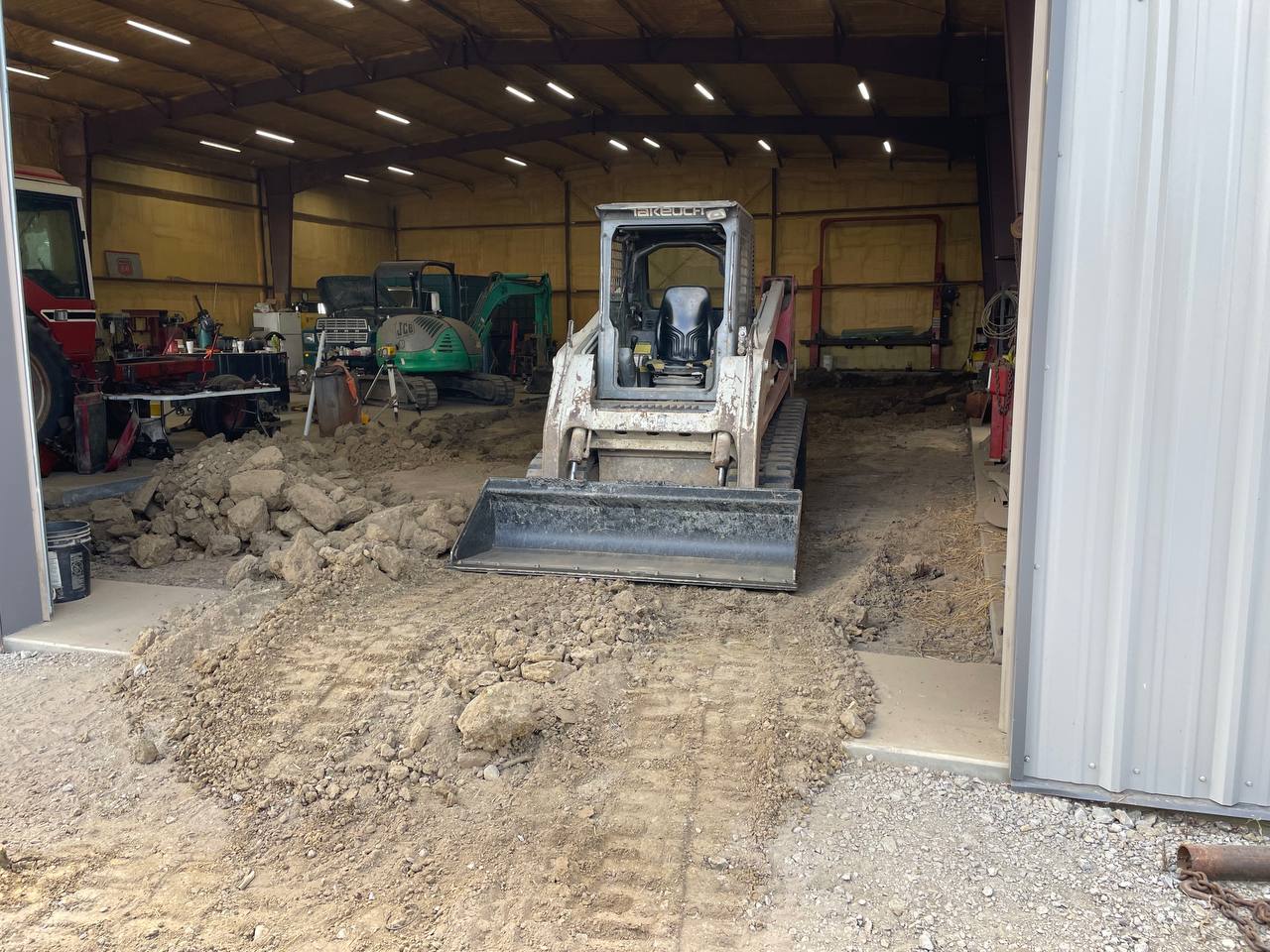
Silo & Farm Demolition Gallery
Real silo, bin, and farm demolition jobs from around central Illinois.
Concrete-stave, poured concrete, tile, glass-lined and steel silos — cleaned out, brought down in a controlled sequence, hauled off, and the pad and footing graded smooth. Mattoon, IL — serving a 60-mile radius.
📞 Call (217) 809-0779 Free EstimateThe owner answers — same-day callback.
Call or text and you get Levi, the man running the machine. Not a call center, not a lead broker passing your number around. Reach out during the workday and you hear back the same day.
Silo removal in Mattoon, IL — serving Charleston, Effingham, Shelbyville, Decatur, Champaign, and Urbana. Brohez Trucking LLC takes down concrete stave silos, poured silos, and steel sealed silos — brought down in a controlled sequence away from the buildings you are keeping, the staves broken to haulable size and taken to a proper disposal site, the hoops and steel pulled for scrap, the base broken out, the hole backfilled, and the ground graded back to farmable. Insured, owner-operated, 60-mile radius. Free on-site estimate: (217) 809-0779.
An out-of-service silo is the most dangerous thing left standing on most farmsteads. The hoops rust and slack, the staves crack and bulge, the roof hood works loose, and a tower that stood sixty years starts dropping chunks in the lot where the cattle and the kids are. When it's time, you want it down, hauled, and the ground left clean.
Right here — call (217) 809-0779. Levi walks the silo and what is around it with you and hands you one itemized number. Free, no obligation, inside 60 miles of Mattoon, IL.
Brohez Trucking LLC handles silo demolition and silo removal across central Illinois — concrete-stave silos, poured and slipformed concrete silos, old tile silos, glass-lined sealed silos, all-steel silos, and everything hung on them: unloaders, chutes, blowers, pipe, roofs and hoods, and attached silo and feed rooms. Plus the pad, the ring footing, and the mass foundation underneath.
The Komatsu PC150LC handles the heavy work. The JCB mini and Takeuchi skid steer get into tight farm lots and clean up after. Dump trucks haul the concrete, tile, and steel to the right place. Silo standing to clean dirt is one job, one contractor.
Everything is mechanical demolition — no explosives, no implosion, and nobody climbing a cracked stave wall. On a farmstead with the house, the barn, and the bins all inside fall distance, controlled mechanical teardown is the only way to put the tower exactly where you want it.
If you're comparing silo demolition companies in central Illinois, here's what actually moves your number: what the silo is built from, how tall it is, how much room there is to drop it, whether there's spoiled feed still in the tube, and whether the pad and footing come out. We'll walk it and tell you straight.
Insured — Certificate of Insurance emailed before we roll in. You'll have it in writing before any equipment shows up on your ground.
Older silos and the rooms and chutes attached to them can carry asbestos in transite board, siding, roofing, gaskets, or pipe insulation. A silo is an ag-commercial structure — there's no single-family exemption here, so the survey and the IEPA 10-working-day notification are required. We coordinate both, and a licensed abatement contractor handles any removal before we demolish. We don't cut corners on it.
Talk to Levi — the man running the machine, not a call center. Text a photo of your silo and he'll get you a straight number.People use the words interchangeably, and it matters more than you'd think — because the two come down completely differently and price completely differently.
If you're comparing silo demolition contractors in central Illinois, here's what actually moves your number: what the silo is built from, how tall it is, whether it’s cracked or leaning, what’s still in the tube, how much fall room there is, and whether the pad and ring footing come out. We'll walk it and tell you straight.
A grain bin is the wide, squat corrugated steel tank sitting on a concrete pad. It stored dry grain. It's bolted sheet steel with an aeration floor, and it comes apart fast — and because it's almost all steel, the scrap value takes a real bite out of the job.
A silo is the tall narrow tower. It stored silage or haylage wet, under pressure, which is why it's built heavy: concrete staves ringed in steel hoops, slipformed poured concrete, glazed tile, or glass-lined steel. It's taller, it's mostly mass rather than sheet steel, and on a concrete one there's far less scrap to offset with — most of the work is breaking it down and hauling it off.
Got both on the place? Take them in one mobilization. Bin work in detail is on our grain bin removal page →, and a country elevator is its own animal entirely — see grain elevator demolition →
The construction sets the sequence. It's the first thing we look at when we walk the job.
Concrete stave. The most common one in central Illinois — curved precast blocks stacked into a tube and squeezed together by steel hoops running up the outside. The whole thing depends on those hoops staying tight. Once they rust and slack off, the wall loses its compression, and that's when you get the cracking, the bulging, the lean, and the chunks coming loose. A stave silo is unpredictable, which is exactly why it gets taken down in a planned sequence and not shoved with a loader bucket.
Poured and slipformed concrete. A monolithic wall, heavier and more predictable than stave, but a lot more mass to break out and more truck time to haul. The hoops come out as scrap; the rest is concrete.
Glazed tile. The old ones. Hollow clay tile in a steel-hooped tube — brittle, often already failing, and they come apart in pieces. These are usually the oldest structures on the place and the ones most worth checking for asbestos in the attached room or chute.
Glass-lined and all-steel. Sealed oxygen-limiting silos and steel silos are more scrap-heavy, so the steel value offsets more of the job — we're straight about that in your number. A sealed silo needs extra care on the front end: it can hold spoiled feed and bad air, so it gets opened and cleaned out properly instead of just knocked over.
Every silo is different. The basics don't change.
We look at what it's built from, how far it's leaning, what's still inside it, and what's standing within fall distance. Then a straight number. No pressure.
Utility locates called, power to unloaders and blowers killed, and — because a silo gets no single-family exemption — the asbestos survey and IEPA 10-working-day notification handled first.
Spoiled silage and packed haylage cleaned out, then the unloader, chute, hood, blower, pipe, and any attached silo room come off and get set aside as scrap steel.
The Komatsu works the tower down in a planned sequence and drops it where we want it — away from the barn, the bins, and the fence line. Mechanical only, no explosives.
Staves, tile, and poured wall broken down to haulable size, hoops and steel separated for the scrapyard, and the debris loaded onto dump trucks for proper disposal.
Pad and ring footing out if they're part of the job, hole backfilled, footprint graded flat. Clean dirt — ready to farm, build, or seed down.
If it's old, out of service, and shouldn't be standing, we can probably help.
The classic hooped stave tower — cracked, bulging, or leaning — brought down in a controlled sequence and hauled off.
Slipformed monolithic silos broken down to haulable size, hoops and reinforcing pulled for scrap, concrete trucked off.
The old brittle ones that are already failing — taken apart safely instead of waiting for them to fall on their own.
Sealed oxygen-limiting and all-steel silos opened, cleaned out, and dismantled. More steel here, so more scrap offset.
Spoiled silage, crusted haylage, and years of packed feed cleaned out and hauled — before teardown, or on a silo you're keeping.
Silo remediation done straight: we clean out, take down, and put the ground back — and we coordinate the pre-demo asbestos survey and the IEPA 10-working-day notice. Abatement itself goes to a licensed contractor.
Unloaders, chute and ladder cages, hoods, blowers, and pipe disconnected, dropped safe, and pulled out as scrap steel.
The attached silo room, feed room, and lean-to cleared with the tower instead of left standing as a second job.
The dangerous ones. Don't climb it, don't push on it, don't let the cattle stand under it — call us and we'll plan it.
Concrete pad, ring footing, and the mass foundation under the silo broken out, hauled, backfilled, and graded usable again.
Silo plus a cluster of old bins and outbuildings in one mobilization — that's our farm building demolition work. One job, one contractor.
More on our channel — youtube.com/@broheztrucking · watch on YouTube →
Real silo, bin, and farm demolition jobs from around central Illinois.
Realistically there are two answers, and the first one is a decision, not an absence of one: you keep it and you maintain it, or you take it down. A silo that is still tight, still hooped and still doing a job is worth keeping. The trouble is the third option most places end up in by default — standing, unused, and unmaintained. That one gets worse every winter, because nothing is being repaired and freeze-thaw keeps working on the staves and hoops. What decides it for most owners is not the silo, it's what is close to it: an unused silo leaning over a lane you drive daily, a shop you park equipment in, or a fence line is a different problem than one standing alone in the middle of a field. If it comes down, we take the silo, the chute and unloader, and the base and ring footing if you want them out, and grade the ground behind it. If it stays, get somebody up on the hoops before you decide it is fine.
Most of the concrete stave silos standing on central Illinois farms went up between the 1940s and the 1970s, so plenty of them are past fifty years — but age is not really the number that matters. A stave silo is not a monolithic tower; it is a stack of concrete staves held in compression by steel hoops, and the hoops are what make it a structure. When the hoops corrode and lose tension, the wall loses its confinement, and that is the failure that matters. Working silos also get attacked from the inside: silage is acidic and eats at the stave faces over decades. So a maintained silo that gets its hoops checked and tightened can stand a very long time, and an abandoned one degrades much faster than its age suggests, because nobody is doing either job. The honest read is a look at the hoops, the stave joints and whether it is still plumb — not the date it was poured.
Brohez Trucking LLC gives free, on-site, itemized estimates for silo removal anywhere within 60 miles of Mattoon, Illinois — call (217) 809-0779. We come out, walk the silo and everything standing near it, and give you one number that already includes the takedown, the debris and staves hauled off, the base and footing if they are coming out, and the ground graded behind it. Concrete stave silos, poured silos, steel and glass-lined silos and the attached chutes and unloaders all count. What we are really looking at on the walk is the drop zone — what is close enough to be in the way. We cover Coles, Cumberland, Douglas, Shelby, Moultrie, Effingham, Edgar, Clark, Champaign and Macon counties. There is no charge for the visit and no obligation to book the work.
It depends on what the silo is built from, how tall it is, whether it's cracked or leaning, what's still inside it, how much room there is to drop it, and whether the pad and ring footing come out. A concrete-stave silo and a steel silo are different jobs entirely. There's some scrap steel in the hoops, unloader and chute that helps a little, though a concrete silo is mostly haul-and-dispose. We walk through every one of those drivers in detail in what silo demolition costs in Illinois. We give free on-site estimates with a straight number. Call (217) 809-0779.
A grain bin is the wide, squat corrugated steel tank on a concrete pad — it stores dry grain and it's mostly bolted sheet steel, so it comes down fast and the steel carries real scrap value. A silo is the tall narrow tower, usually concrete stave, poured concrete, tile or glass-lined steel, and it stored silage or haylage wet. Silos are taller, heavier, built to different tolerances, and a concrete one is mostly mass to break out and haul rather than steel to scrap. Different sequence, different equipment time. Bin work is on our grain bin removal page.
Yes — concrete-stave silos are the most common ones we get called on in central Illinois. The staves are held in compression by steel hoops, and once those hoops rust and slack off, the wall loses what was holding it together. That's why old stave silos crack, bulge, lean, and drop chunks. We bring them down in a controlled sequence with the excavator, break the staves and the poured base to haulable size, pull the hoops out for scrap, and clean up the pad. Don't climb one and don't push on one with a loader — call us.
Yes. Glass-lined sealed silos, all-steel silos, and the older tile silos all come down. A steel silo is more scrap-heavy than a concrete one, so the steel value offsets more of the job and we're straight about that in your number. Sealed silos need a little extra care — an oxygen-limiting silo can hold spoiled feed and bad air, so it gets opened and cleaned out properly rather than just knocked over.
Yes. Silo cleaning and cleanout is part of the job when there's spoiled silage, crusted haylage, or years of packed feed still in the tube. It has to come out before a safe teardown, and we haul it off with the rest. If you want a silo cleaned out but left standing, we do that too — tell us at the estimate which one you're after.
Yes. The concrete pad, the ring footing under the wall, the unloading chute, and any attached silo room or feed room come out if the job includes them. We break the concrete out, haul it off, backfill the hole, and grade the spot so you can farm it, build on it, or seed it down.
It can. Older silos and the rooms and chutes attached to them can carry asbestos in transite board, siding, roofing, gaskets, or pipe insulation. A farm silo or any other ag-commercial or commercial structure does not get the exemption a single-family house does — an asbestos survey and the IEPA 10-working-day notification are real requirements, and we coordinate both. If there's asbestos to remove, a licensed abatement contractor takes it out before we demolish; that's not work we self-perform. We tell you up front what we find before anything comes down.
No. Everything we do is mechanical demolition — excavator, breaker, dozer, and dump trucks. No explosives, no implosion. On a farmstead with a house, barn, and bins inside fall distance, a controlled mechanical teardown is the safer way to put the silo exactly where we want it.
Yes, and it's usually the cheaper way to do it — one mobilization instead of two. A lot of our work is a whole farmstead at once: the silo, a cluster of old bins, the leg, and the outbuildings around them all cleared in one job, one contractor. Bin detail is on our grain bin removal page.
"Silo remediation" gets used for two different things, so it's worth splitting them. Most of the time people mean getting a failing silo dealt with — spoiled silage or packed haylage cleaned out, a cracked or leaning tube taken down before it comes down on its own, the pad and ring footing out, the hole backfilled and the ground put back. That is our work and we self-perform all of it. The other meaning is environmental remediation — asbestos in the transite board, siding, roofing or pipe wrap on an old silo room or chute, or contaminated soil under a spill. We do not self-perform that. What we do is coordinate it: the pre-demolition asbestos survey and the IEPA 10-working-day notification are real requirements on a farm silo (an ag or commercial structure does not get the exemption a single-family house does), and a licensed abatement contractor removes the material before we demolish. If soil shows contamination, a licensed environmental party steps in before the dirt work continues. We tell you what we find up front, before anything comes down.
60-mile radius from Mattoon, IL — including Decatur, Champaign, Effingham, Charleston, Urbana, Sullivan, Tuscola, Shelbyville, Pana, and Terre Haute.
If you're inside a 60-mile radius of Mattoon, Illinois, yes. Brohez Trucking LLC takes down concrete-stave, poured concrete, tile, glass-lined and steel silos, cleans them out first, and grades the pad and footing smooth throughout that radius — Decatur, Champaign, Effingham, Charleston, Urbana, Sullivan, Tuscola, Shelbyville, Pana, and Terre Haute included. You deal with Levi, the owner running the machine, and travel is built into the estimate rather than added afterward. Call or text a photo during the workday and you get a straight number back the same day. Free on-site estimate: (217) 809-0779.
A 20,000-bushel bin at Greenview, Illinois — 36 feet across, eight rings tall. Steel cut out and hauled as scrap, and the concrete pad left exactly where it sat.
A steel bin and a concrete-stave silo come apart differently, but the decisions are the same: what gets scrapped, whether the pad and footing come out, and what the ground looks like when we leave.
See how that job went →Brohez Trucking LLC delivers demolition across a 60-mile radius from Mattoon, IL — into Coles County and Cumberland, Douglas, Shelby, Moultrie, Effingham, Edgar, Clark, Champaign, and Macon counties, plus over the line into Vigo County, Indiana. Pick your town below for local details, or call (217) 809-0779 for a free estimate anywhere in the radius.
Every one of these is a real Google review from a real central Illinois customer. See them all on our reviews page.
"I had a challenging concrete porch demolition (due to a heavy suspended concrete floor with rebar) that I needed taken care of. Brohez Trucking came and gave a very fair quote and handled the demolition professionally and promptly. He was here when he said and did what he promised. Many thanks to Levi and his team for the fantastic job they did with my project!"
"The tornado made quite a mess of the buildings on my property. They were quick to schedule and begin work given the local workload after the storm. Very skilled service in salvaging machines and vehicles under debris. Every custom request was fulfilled and felt very confident throughout the process. Total satisfaction. Brohez will definitely be my 1st choice for future projects."
"Great Service and Great Price! They continued working for 3 days to demolish three buildings and removed all the debris to dumpsters that I ordered. Then, they also come in with dirt to fill the whole backyard. Strongly recommended!"
Call us and we'll come look at the job. No pressure, no obligation — just a straight number, with any scrap steel value factored in.
(217) 809-0779 📞 Call For Free Estimate Send A MessageHours: Monday–Saturday, 7am–7pm · Mattoon, IL · 60-mile service radius