Recent Work
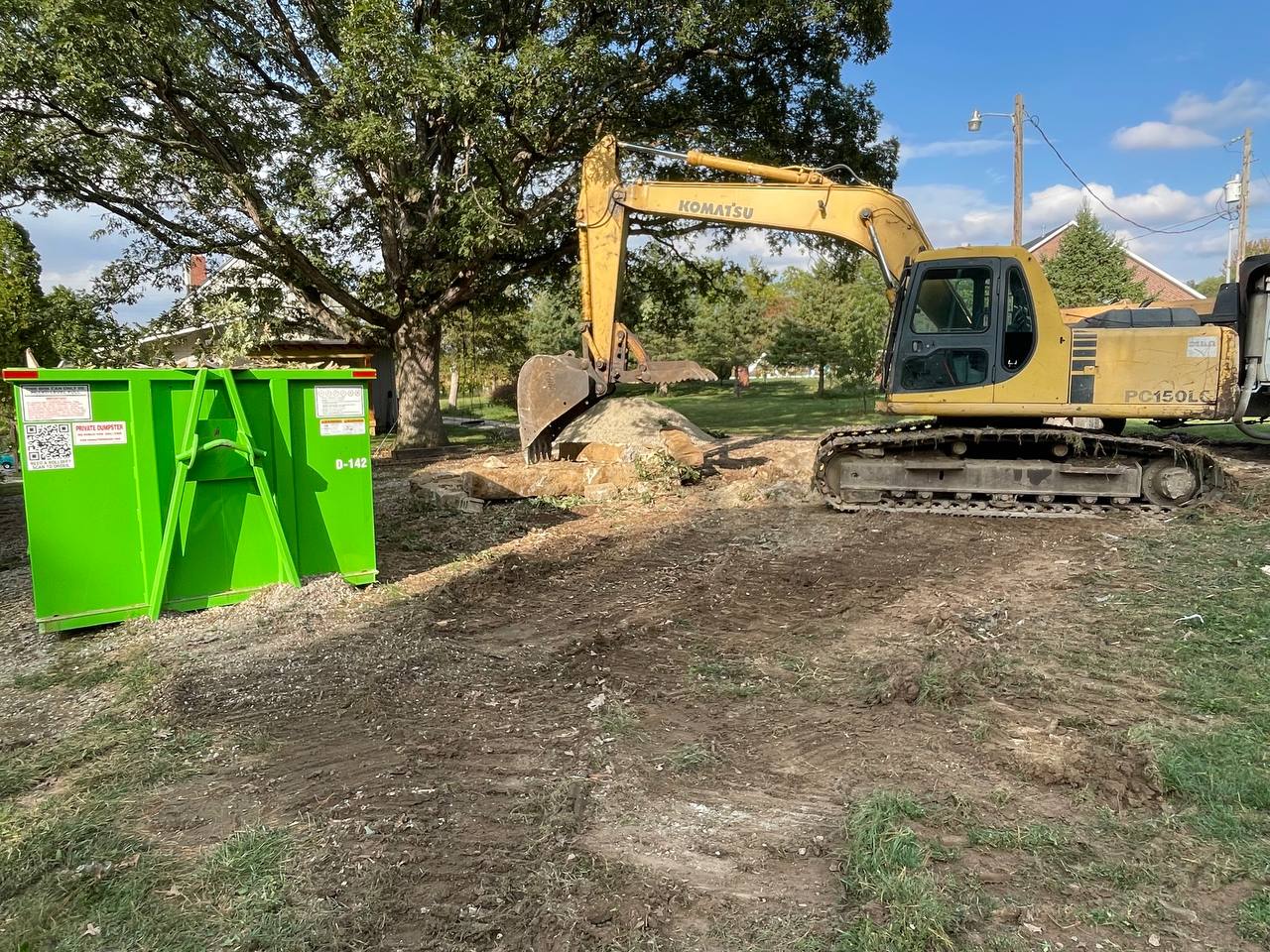
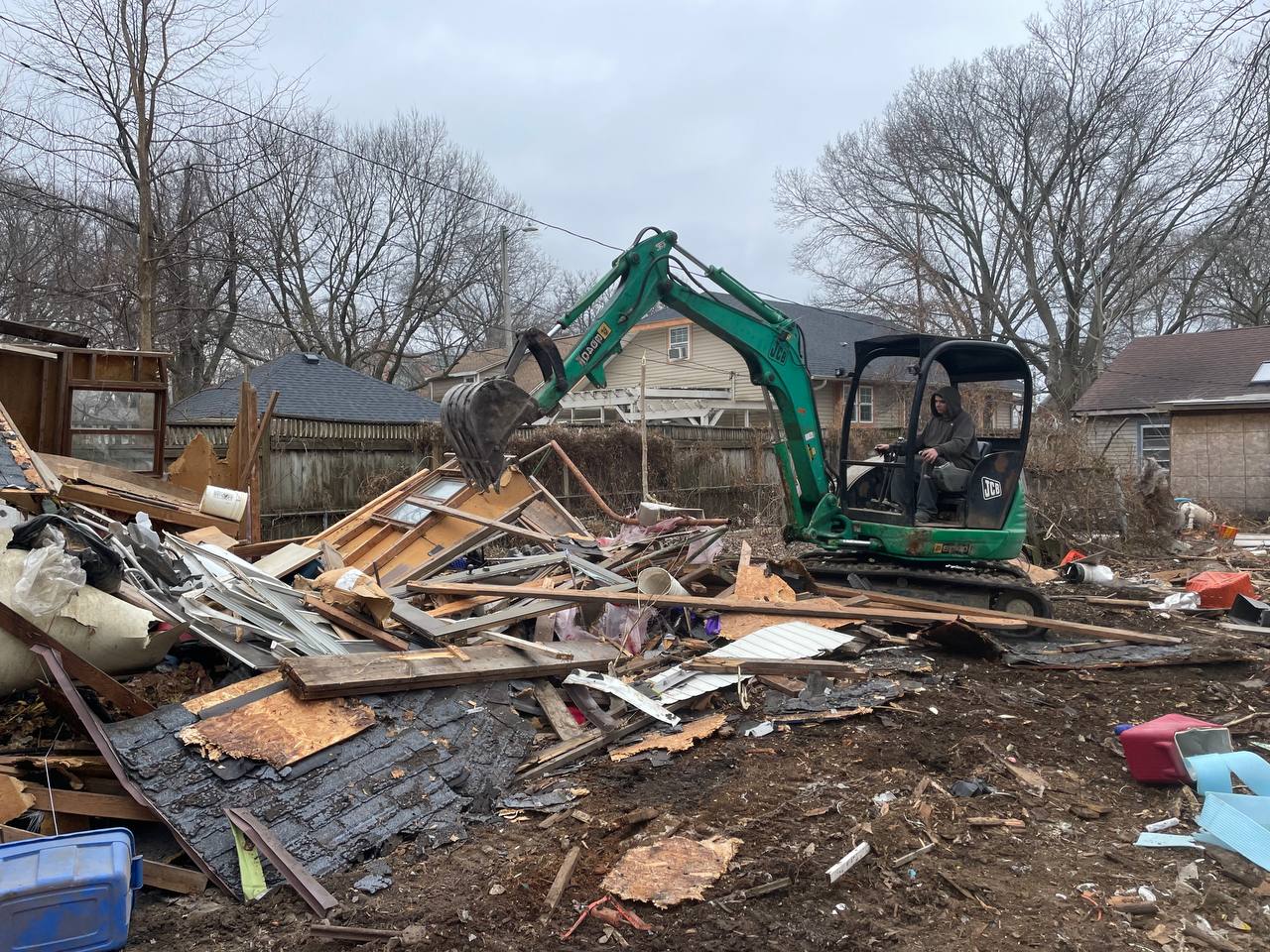
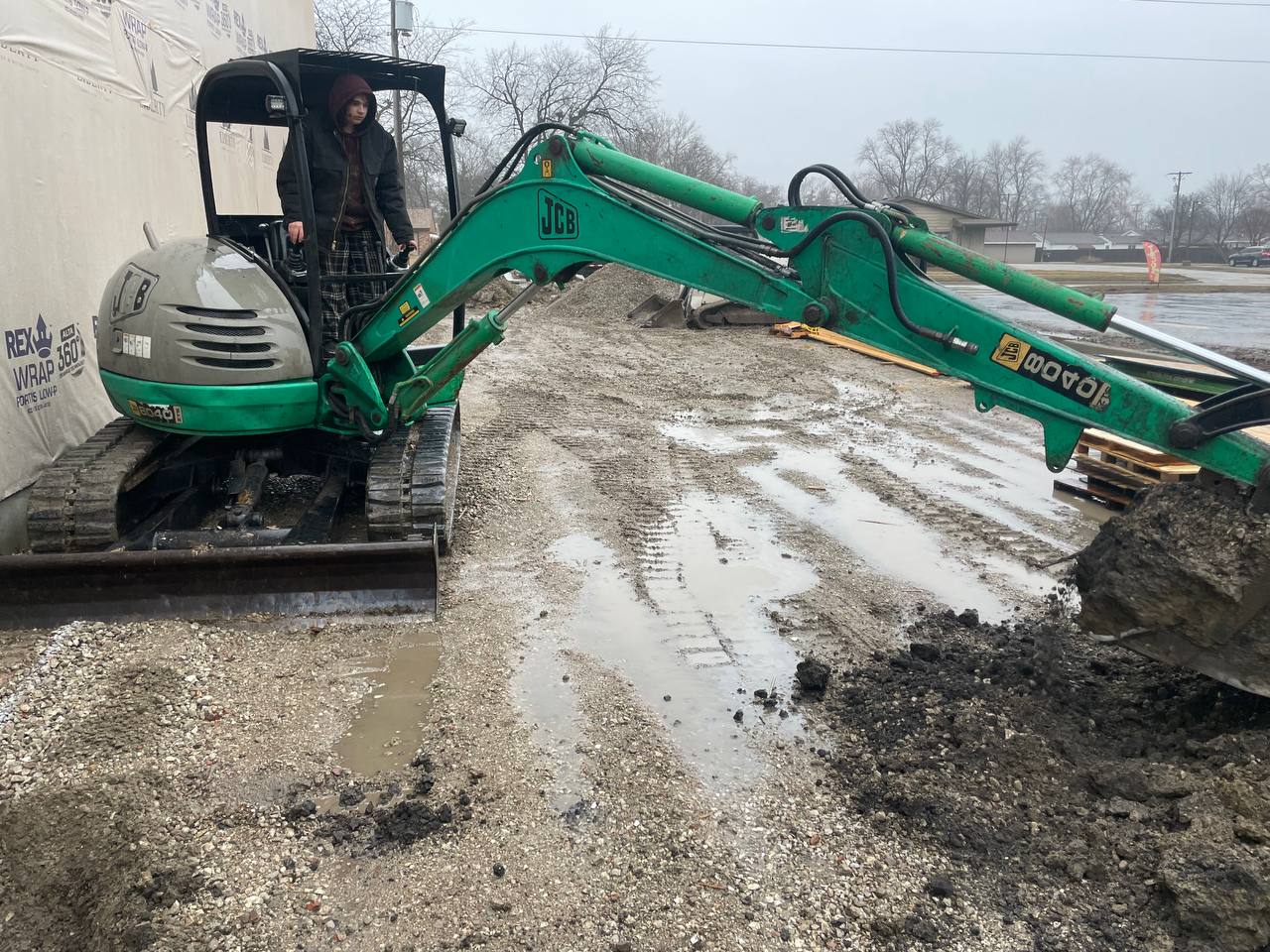

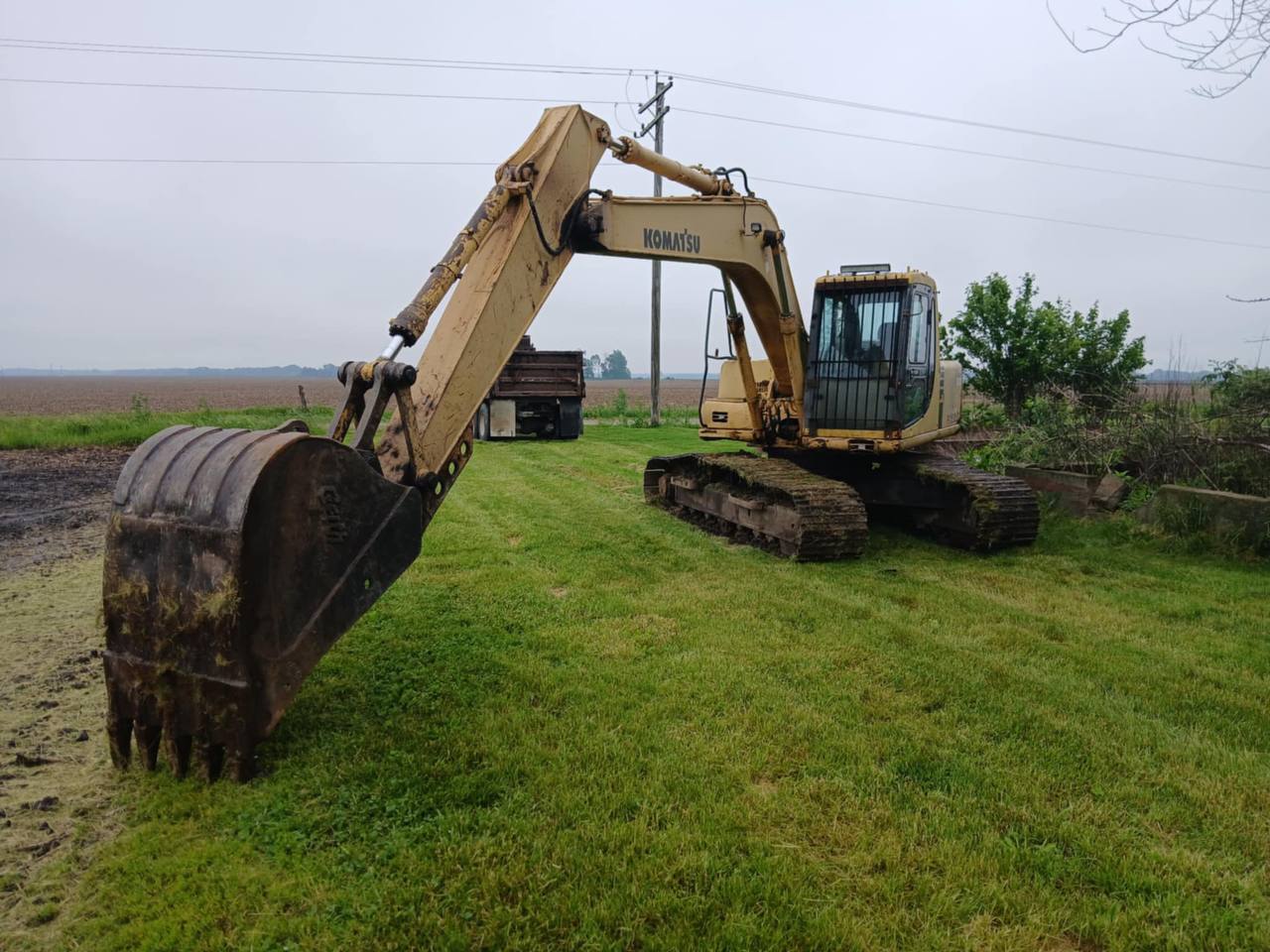
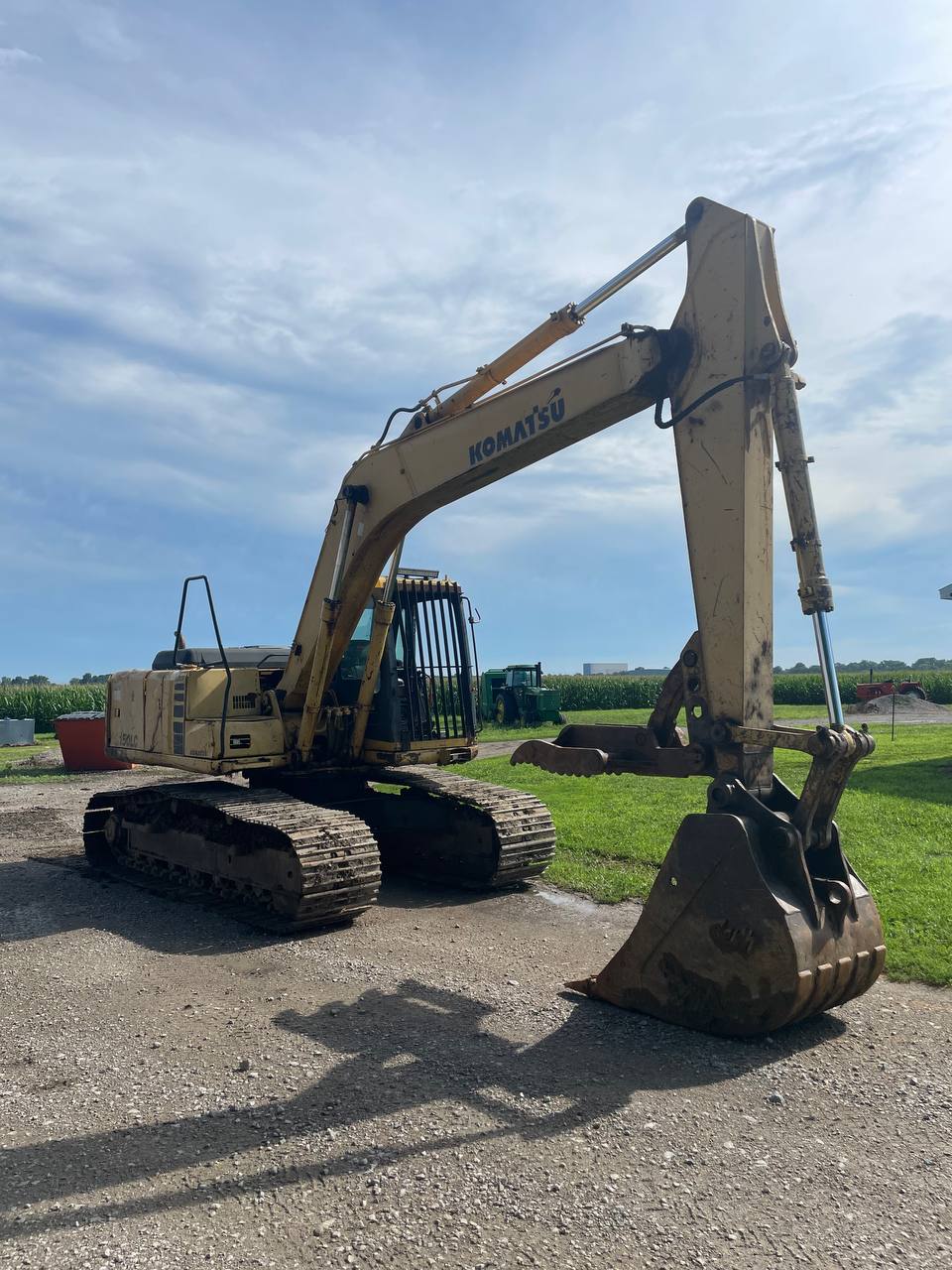
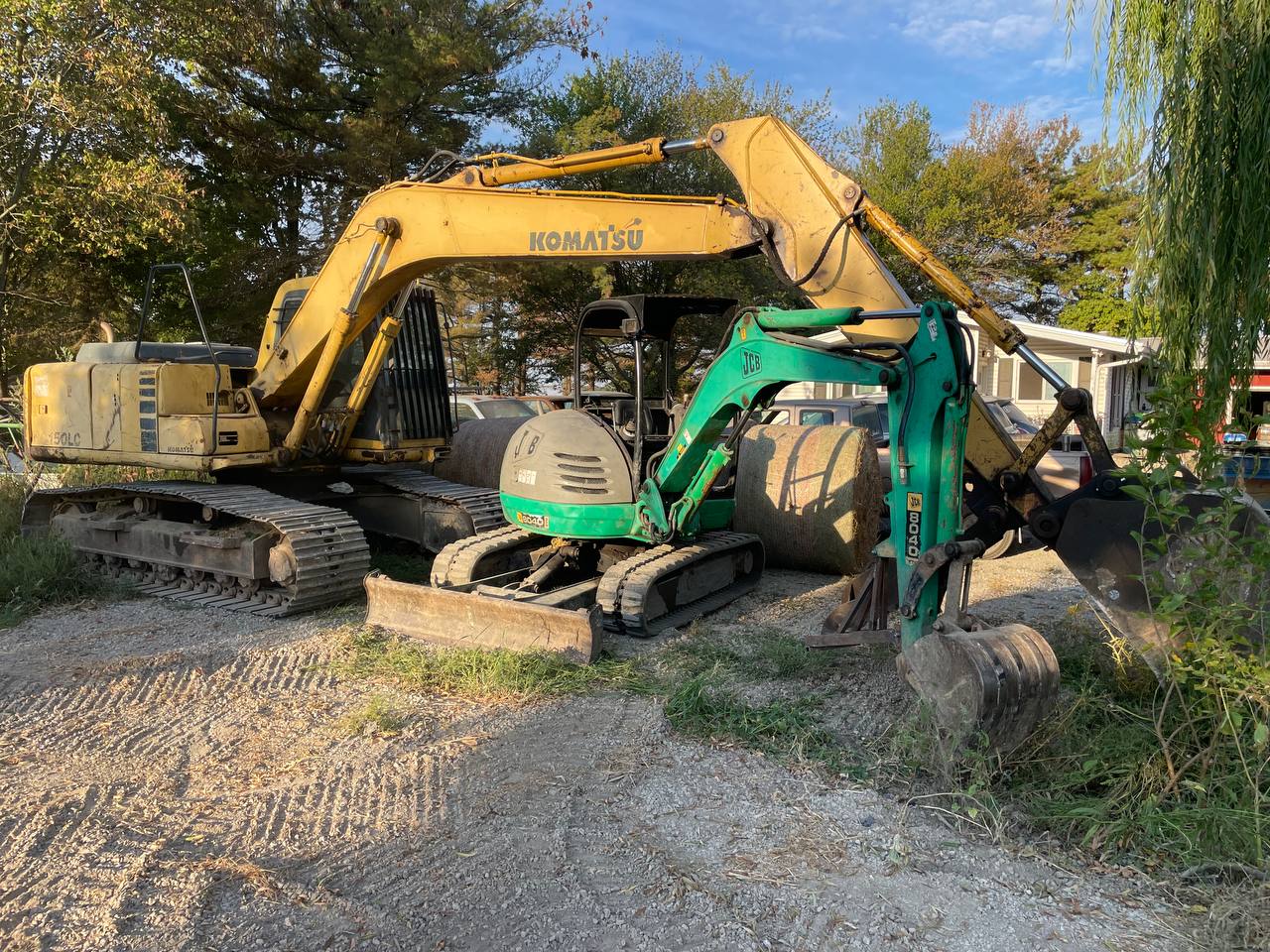
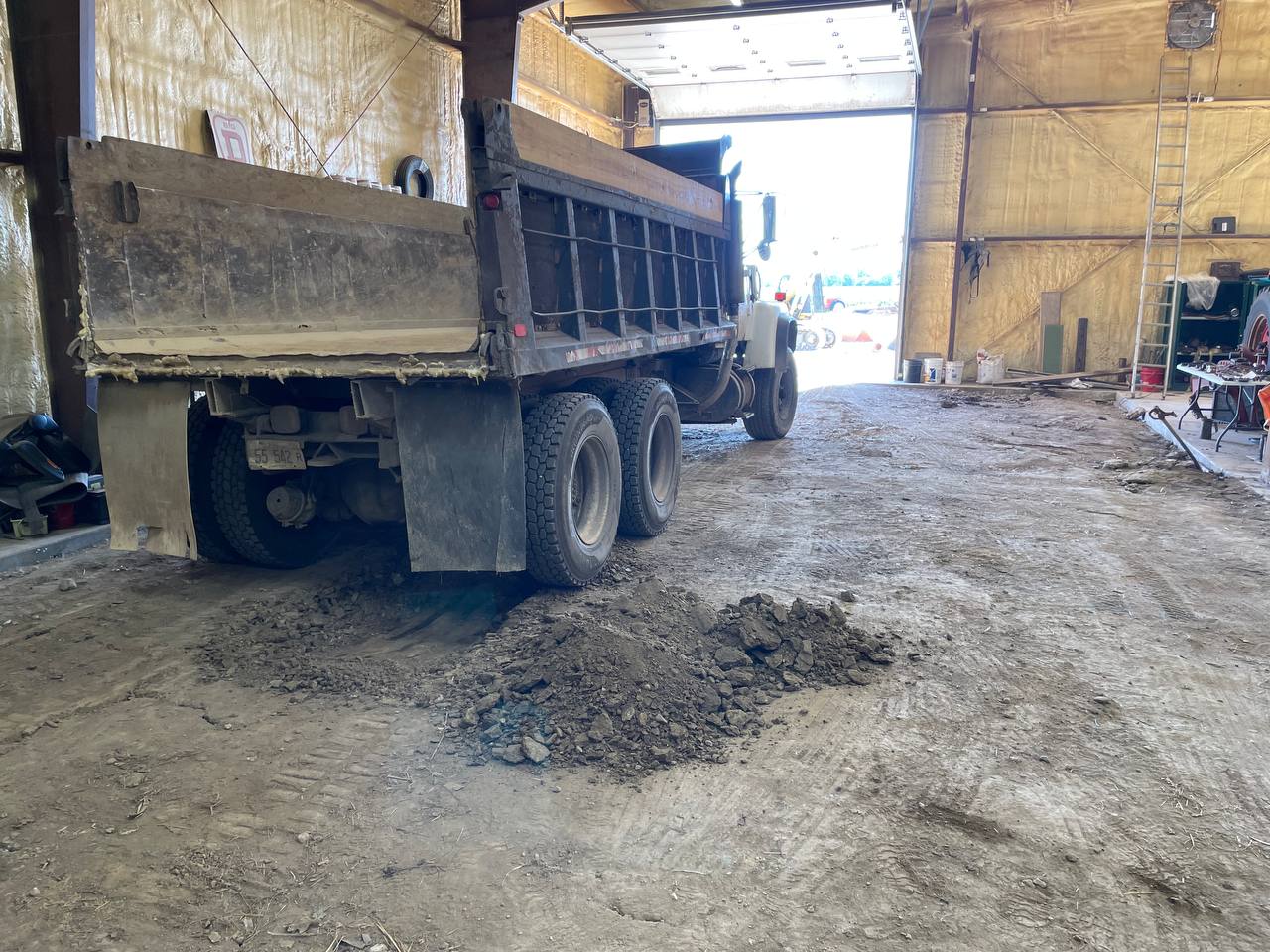
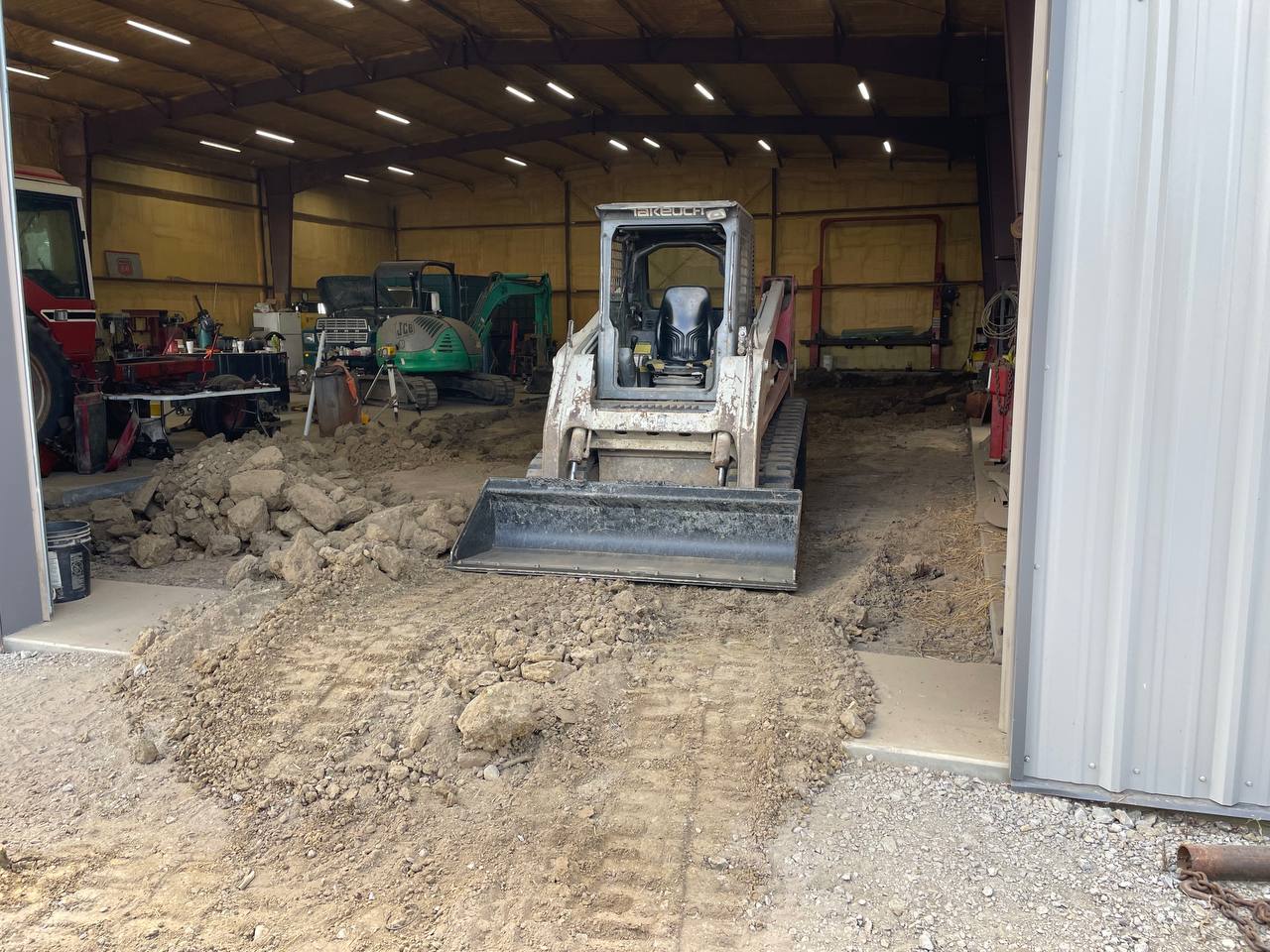
Demolition & Haul-Off Gallery
Real grain bin removal and demolition jobs from around central Illinois.
Headhouse, bucket leg, crib and concrete storage, annex tanks, driveway, scale pit — taken down mechanically, foundations out below grade, everything hauled on our own trucks, steel recycled, site backfilled and graded. Mattoon, IL — serving a 60-mile radius.
📞 Call (217) 809-0779 Free EstimateThe owner answers — same-day callback.
Call or text and you get Levi, the man running the machine. Not a call center, not a lead broker passing your number around. Reach out during the workday and you hear back the same day.
Grain elevator demolition contractor in Mattoon, IL — serving Charleston, Effingham, Shelbyville, Decatur, Champaign, and Urbana. Brohez Trucking LLC takes down country elevators and their working parts — headhouses, leg towers, driveways, annexes, and the bins around them — along with the concrete and steel underneath. We work the small-town elevators in our own market: Coles, Moultrie, Douglas, Shelby, Cumberland, and Effingham counties, including Mattoon, Charleston, Sullivan, Arthur, Tuscola, Arcola, Shelbyville, and Neoga. Debris to a permitted disposal site, steel pulled for scrap, ground graded. Insured, owner-operated, on a 60-mile radius covering Coles, Cumberland, Douglas, Moultrie, Shelby, Effingham, Champaign, and Macon counties. Free on-site estimate, or text a photo to (217) 809-0779.
Local contractor taking down country grain elevators across central Illinois — headhouse, bucket leg, crib and concrete storage, annex tanks, driveway, scale and boot pit. Foundations removed below grade, site backfilled and graded. Mechanical demolition only (no explosives, no implosion), hauled on our own trucks, steel recycled. We bid village and co-op elevator jobs as prime. Mattoon, IL — 60-mile radius. Free on-site estimate: (217) 809-0779.
An elevator isn't one structure — it's a plant. What drives the cost is the storage type (wood crib vs. slipformed concrete vs. steel annex), the height, and how much comes out below grade: boot pit, conveyor tunnel, and mass footings. We walk it, tell you straight whether it's in our lane, and put a number on it free.
The elevator standing along the rail line in about every small town around here eventually stops earning its keep. Then it's a liability — deteriorating, full of old grain and dust, an attractive nuisance, and a line item the village or the co-op has to deal with. When it's time, you want it down, the steel recycled, the holes filled, and the ground left clean and graded.
Right here — call (217) 809-0779. Levi walks the whole plant with you, below grade included, and hands you one itemized number. Free, no obligation, inside 60 miles of Mattoon, IL.
Brohez Trucking LLC does grain elevator demolition across central Illinois — country elevators and their headhouses, bucket legs (the elevator leg), the distributor and gravity spouting up top, wood-crib and concrete-stave storage, slipformed concrete silo banks, bolted-on steel annexes, conveyors and catwalks, grain dryers, the truck driveway and dump grate, the scale and scale pit, the office or shed — and the boot pits, tunnels, and mass footings underneath all of it.
We're an owner-operated outfit with our own excavator, dozer, and dump trucks, which is the part that matters on a teardown like this: the demolition and the haul-off aren't two contractors and two invoices. The Komatsu PC150LC with a hydraulic breaker works the concrete down, the D6N handles the dirt and final grade, and our own trucks keep the debris moving off site. Standing structure to finished grade is one job, one contractor.
Here's the part nobody else says plain: an elevator is a lot of steel and rebar, and that scrap has value that helps offset the job — we're straight about that. It goes in your number, not pocketed quietly on the back end. Concrete can often be processed and used as clean fill instead of paying to bury it, which is the other place these jobs quietly save money.
Working from a village or co-op bid packet? We bid elevator teardowns as the prime contractor — demolition, foundation removal to spec depth, debris haul-off, backfill and final grade, all furnished by us. Send the spec and we'll price it.
Insured — Certificate of Insurance emailed before we roll in. You'll have it in writing before any equipment shows up on your ground.
Older structures can carry asbestos (siding, transite board, roofing, pipe insulation). On an elevator or any other ag-commercial structure there's no single-family exemption — the survey and the IEPA 10-working-day notification are required, we coordinate both, and a licensed abatement contractor handles any removal before we demolish. We don't cut corners on it.
Talk to Levi — the man running the machine, not a call center. Text a photo of your bin or elevator and he'll get you a straight number.The old elevator sitting along the rail line in about every small town around here is a different animal from a farm bin yard. It's not one structure — it's a plant, and most of what makes the job hard is either eighty feet up or below your boots.
A country elevator is usually a headhouse up top — housing the distributor and the gravity spouting that route grain out to each tank — a bucket leg (the elevator leg) running the grain up to it, and storage hanging below: cribbed timber on the older ones, slipformed or stave concrete silo banks on others, steel annex tanks bolted on later as the co-op grew. Around it sits the truck driveway, the dump grate, the scale and scale pit, and the office or shed. Underneath is the part people forget: the boot pit at the bottom of the leg, the conveyor tunnel running under the storage, and footings poured a lot heavier than anybody expects.
Wood-crib elevators are deceiving. That's not framed wall — it's 2x4s and 2x6s laid flat and spiked solid, so the walls are near enough solid timber, heavy, and soaked with decades of grain dust. Dust is the real hazard: it burns, and in the wrong concentration it does worse than burn. We wet things down, work in a planned sequence, and don't put a machine somewhere the structure gets a vote. Residual grain also means rodents, and old elevators sometimes carry fumigant residue that has to be dealt with before anybody starts swinging.
Concrete elevators and stave silos are the other half of the job. Slipformed concrete is heavily reinforced, and it doesn't come apart politely. The Komatsu with the hydraulic breaker works it down in a controlled sequence and processes it into haulable pieces, the rebar gets separated out for scrap, and the dump trucks keep moving it off site.
Then there's below grade, which is where these jobs get underestimated and where a bid gets won or lost. Boot pits, tunnels, and mass footings have to come out — most specs call for foundations removed to a set depth below grade, then clean fill brought back in, compacted, and the site graded off. That's dirt work, and dirt work is what we do every day. The D6N and the dump trucks do that half of it.
Elevators are also tight sites. They sit hard against rail spurs, county roads, main street, the co-op scale, and somebody's building on the other side of the property line. The sequence matters more than the machine does.
Straight about what we do and don't do. Every elevator comes down mechanically — excavator, dozer, breaker, dump trucks. We don't use explosives, we don't do implosion work, and we don't own a crane or high-reach machine. Asbestos abatement isn't ours either; we coordinate the survey and the IEPA 10-working-day notification and a licensed contractor removes anything that's there before we start.
Elevators vary a lot in height and construction, and some are genuinely beyond what our machines should take on. We come look first and tell you straight whether it's in our lane — including when the answer is no. You get a free on-site estimate either way.
Working off a written bid packet or a village spec? Send it over — Levi will walk the site and put a number on it. (217) 809-0779.There are not many grain elevator demolition companies working downstate Illinois, and the ones a search turns up are usually a long way off. We are in Mattoon, we own the machines, and the man who walks your elevator is the man who runs the excavator.
If you are a village board, a co-op, or a landowner comparing grain elevator demolition contractors, four questions separate a real bid from a number on a page:
Decommissioning an elevator is mostly sequence and paperwork with a few hard days of iron in the middle. Working off a village spec or a written bid packet? Send it over and we will walk the site and put a number on it — call (217) 809-0779.
Every bin yard is different. The basics don't change.
We come look at the bins, silos, and leg system, talk through what's coming down, weigh up the scrap steel, and give you a straight number. No pressure.
We call the JULIE locate and kill any power or aeration still running. An elevator is an ag-commercial structure with no single-family exemption, so the pre-demolition asbestos survey and the IEPA 10-working-day notification get filed before anything comes down — whatever the building's age.
Legs, augers, conveyors, dryers, fans, and catwalks come down first — disconnected, dropped safe, and set aside as clean steel for scrap.
The Komatsu works the bin or silo down in a controlled sequence — even a leaner or a cracked concrete stave. No dropping things toward the house, the other bins, or the neighbor's fence.
We break out the concrete pad and ring footing if it's part of the job, separate the steel for the scrapyard, and load concrete and debris onto dump trucks.
We backfill, grade the footprint flat, and walk you through the finished work. Clean dirt — ready to farm, build, or seed down.
If it's old, out of service, and shouldn't be standing, we can probably help.
Wood-crib and concrete elevators taken down mechanically — headhouse, leg, storage, driveway, and scale — and hauled off.
The below-grade half of an elevator — boot pits, conveyor tunnels, and mass footings dug out, backfilled, and compacted.
The works up top and the leg running grain to it — taken down in a planned sequence, steel separated out and recycled to help offset the job.
Old concrete-stave and tile silos — cracked, leaning, or storm-damaged — brought down in a controlled way and hauled off.
Bin legs, augers, conveyors, catwalks, and support towers disconnected, dropped safe, and pulled out as scrap steel.
Dryers, aeration fans, and the wiring and ductwork tying the system together removed and hauled along with the bins.
Spiked-solid timber cribbing and slipformed or stave concrete tanks worked down mechanically with the breaker — dust controlled, rebar pulled for scrap.
A bin yard is a lot of steel. We weigh that value into your number and we're straight about how it offsets the job.
Concrete pads, ring footings, and old foundations under the bins broken out, hauled, and backfilled so the ground is usable again.
Truck driveway and dump grate, the dump pit and its drag conveyor underneath, the scale and scale pit, the office or shed, and bolted-on steel annex tanks — cleared with the elevator, not left as a second job. Just the farm bins? That's grain bin removal.
More on our channel — youtube.com/@broheztrucking · watch on YouTube →
Real grain bin removal and demolition jobs from around central Illinois.
Brohez Trucking LLC gives free, on-site, itemized estimates for grain elevator demolition anywhere within 60 miles of Mattoon, Illinois — call (217) 809-0779. We walk the whole plant with you — headhouse, storage, annexes, legs and driveway — and give you one number that covers the teardown, the steel hauled as scrap, the concrete, and the grade behind it. The part that decides an elevator number is what comes out below grade: the boot pit, the conveyor tunnel and the mass footings, and none of that is visible from the road. We cover Coles, Cumberland, Douglas, Shelby, Moultrie, Effingham, Edgar, Clark, Champaign and Macon counties. There is no charge for the visit and no obligation to book the work.
It depends on the storage type (wood crib, slipformed concrete, concrete stave, or steel annex), the height, how tight the site is, how much comes out below grade — boot pit, conveyor tunnel, and mass footings — and how far the debris hauls. Scrap steel and rebar carry value that helps offset the job, and processing concrete into clean fill can save paying to bury it. We walk the site and give a free on-site estimate with a straight number. Call (217) 809-0779.
A bin is one structure. An elevator is a plant. There's a headhouse up top, a bucket leg running grain to it, and storage hanging below — plus the truck driveway, dump grate, scale and scale pit, and an office or shed. Underneath is the part people forget: the boot pit at the bottom of the leg, the conveyor tunnel under the storage, and footings poured far heavier than anyone expects. Most of what makes an elevator hard is either eighty feet up or below your boots.
No. Every elevator we take down comes down mechanically — excavator, dozer, hydraulic breaker, and dump trucks. We don't use explosives, we don't do implosion work, and we don't own a crane or high-reach machine. If a structure genuinely needs those methods, we'll tell you that up front rather than take the job and figure it out later.
Yes, within reason. Slipformed concrete and concrete-stave storage are heavily reinforced and don't come apart politely. The Komatsu with a hydraulic breaker works it down in a controlled sequence and processes it into haulable pieces, rebar is separated out for scrap, and the dump trucks move it off site. Height and construction vary a lot — we come look first and tell you honestly whether it's in our lane.
They're deceiving. What looks like framed wall is actually 2x4s and 2x6s laid flat and spiked solid, so it's near enough solid timber — heavy, and soaked with decades of grain dust. Dust is the real hazard: it burns, and in the wrong concentration it does worse than burn. We wet things down, work a planned sequence, and don't put a machine anywhere the structure gets a vote. Residual grain also means rodents, and some old elevators carry fumigant residue that has to be handled before anyone starts.
Yes — and that's usually where these jobs are won or lost. Boot pits, conveyor tunnels, and mass footings have to come out. Most specs call for foundations removed to a set depth below grade, then clean fill brought back in, compacted, and the site graded off. That's dirt work, and dirt work is what we do every day. The dozer and our own dump trucks do that half of it.
Often, yes. An elevator carries a lot of steel — annex tanks, leg and conveyor systems, catwalks, and the rebar out of the concrete. That scrap has value, we factor it into your number, and we're straight about it. You're not paying full demolition price on material we turn around and sell.
Yes. An elevator is an ag-commercial structure, so there's no single-family exemption — a pre-demolition asbestos survey and the IEPA 10-working-day notification are required. Older elevators can carry asbestos in siding, transite board, roofing, and pipe insulation. We coordinate the survey and the notification, and a licensed abatement contractor removes anything found before we start. We don't cut corners on it.
Yes. We bid municipal, village, and co-op elevator teardowns as the prime — demolition, foundation removal to the specified depth, debris haul-off, backfill, and final grade, all furnished by us. Owning the excavator, dozer, and trucks means the demo and the haul aren't two contractors and two invoices. Send us the bid packet or spec and we'll price it.
It depends on the structure, not just the number. We work mechanically, so reach and construction type set the limit — and elevators vary enormously. Some are genuinely beyond what our machines should take on. We come look first and tell you straight whether it's in our lane, including when the answer is no. You get a free on-site estimate either way.
Mattoon, IL and a 60-mile radius — including Charleston, Effingham, Champaign, Urbana, Decatur, Tuscola, Arcola, Sullivan, Shelbyville, Pana, Neoga, Windsor, Paris, Casey, Newton, and the small towns and rail sidings in between. Travel is built into the estimate — no surprise mobilization fee.
If you're inside a 60-mile radius of Mattoon, Illinois, yes. Brohez Trucking LLC takes down country elevators — headhouse, bucket leg, crib and concrete storage, annex tanks, driveway and scale pit — with the foundations out below grade throughout that radius — Decatur, Champaign, Effingham, Charleston, Urbana, Sullivan, Tuscola, Shelbyville, Pana, and Terre Haute included. You deal with Levi, the owner running the machine, and travel is built into the estimate rather than added afterward. Call or text a photo during the workday and you get a straight number back the same day. Free on-site estimate: (217) 809-0779.
A 20,000-bushel bin at Greenview, Illinois — 36 feet across, eight rings tall. Steel cut out and hauled as scrap, and the concrete pad left exactly where it sat.
An elevator is a bigger animal than a single bin — headhouse, leg, storage, pits — but the steel handling and scrap accounting work exactly like this job did.
See how that job went →Brohez Trucking LLC delivers demolition across a 60-mile radius from Mattoon, IL — into Coles County and Cumberland, Douglas, Shelby, Moultrie, Effingham, Edgar, Clark, Champaign, and Macon counties, plus over the line into Vigo County, Indiana. Pick your town below for local details, or call (217) 809-0779 for a free estimate anywhere in the radius.
Looking for grain elevator contractors in your county rather than three hours up the road? We are the ones who actually show up — grain elevator contractors working Coles, Douglas, Moultrie, Shelby, Effingham, Cumberland, Edgar, Clark, Champaign and Macon counties, and over the state line into Vigo County, Indiana. The country elevators around Arcola, Tuscola, Sullivan, Windsor, Neoga and Pana are the ones we drive past every week. We do not bid Peoria or Galesburg — that is somebody else's radius, and pretending otherwise wastes your time and ours.
Call us and we'll come look at the job. No pressure, no obligation — just a straight number, with the scrap steel value factored in.
(217) 809-0779 📞 Call For Free Estimate Send A MessageHours: Monday–Saturday, 7am–7pm · Mattoon, IL · 60-mile service radius