Recent Work

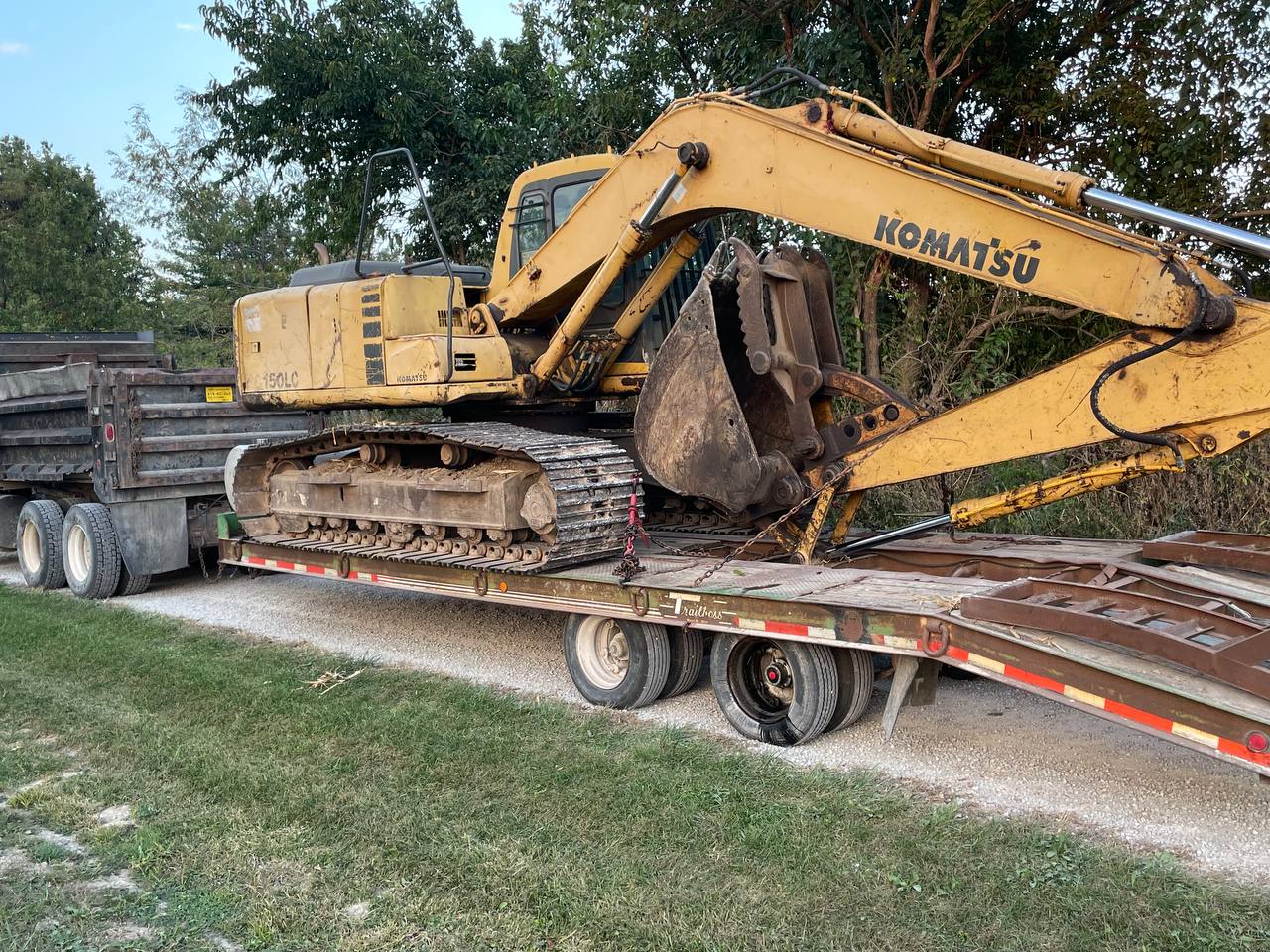
Permitted Culvert Work
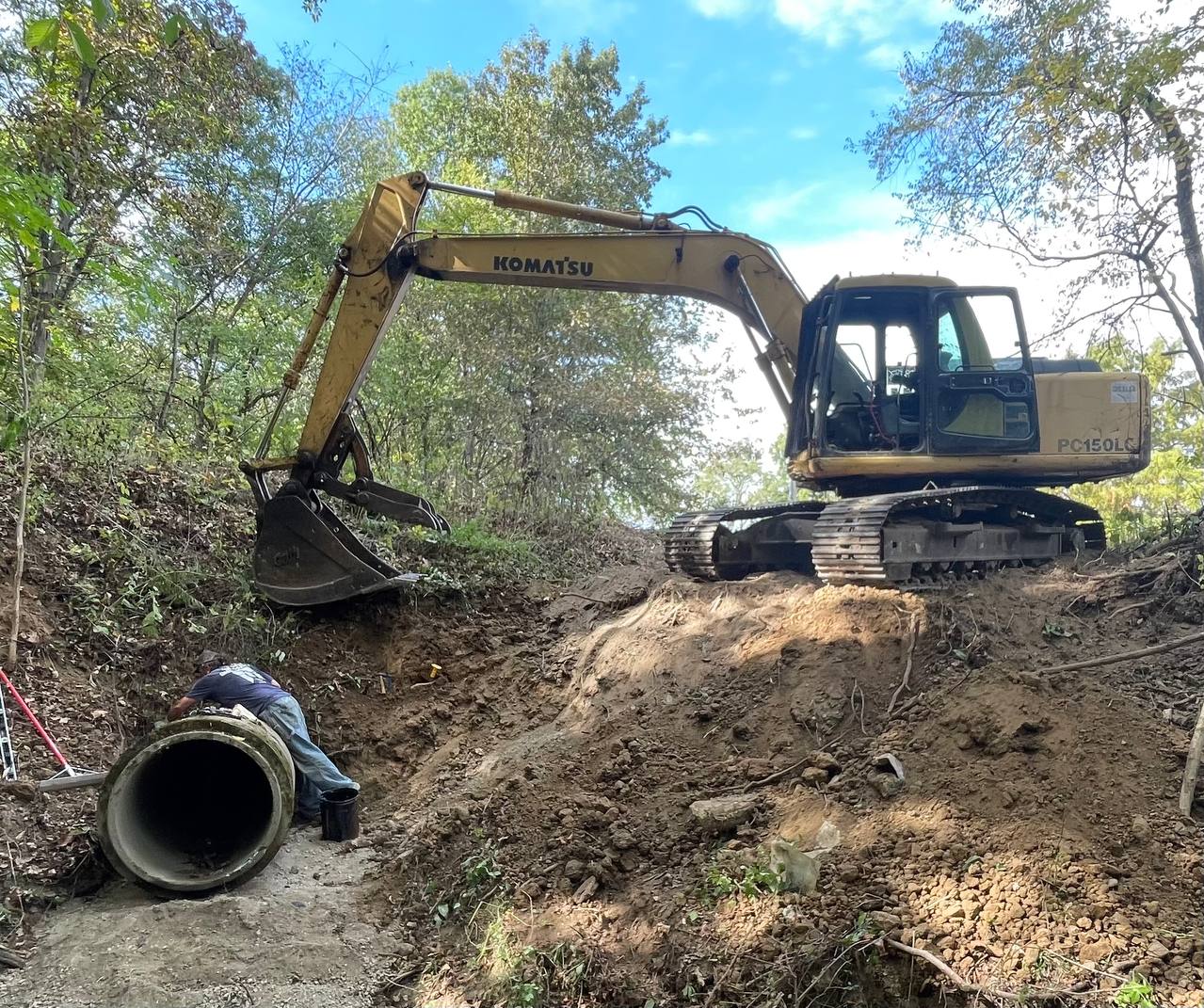
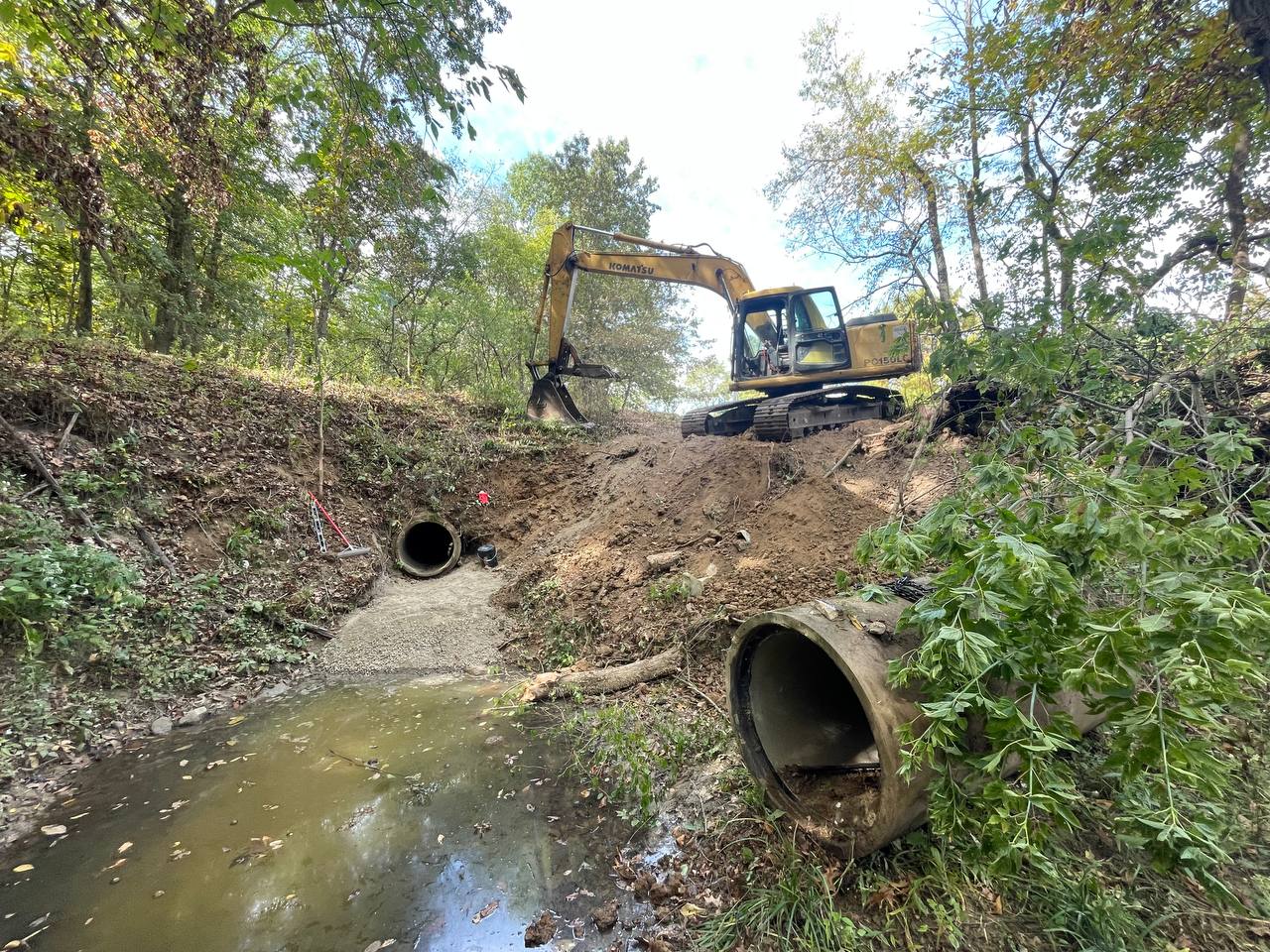
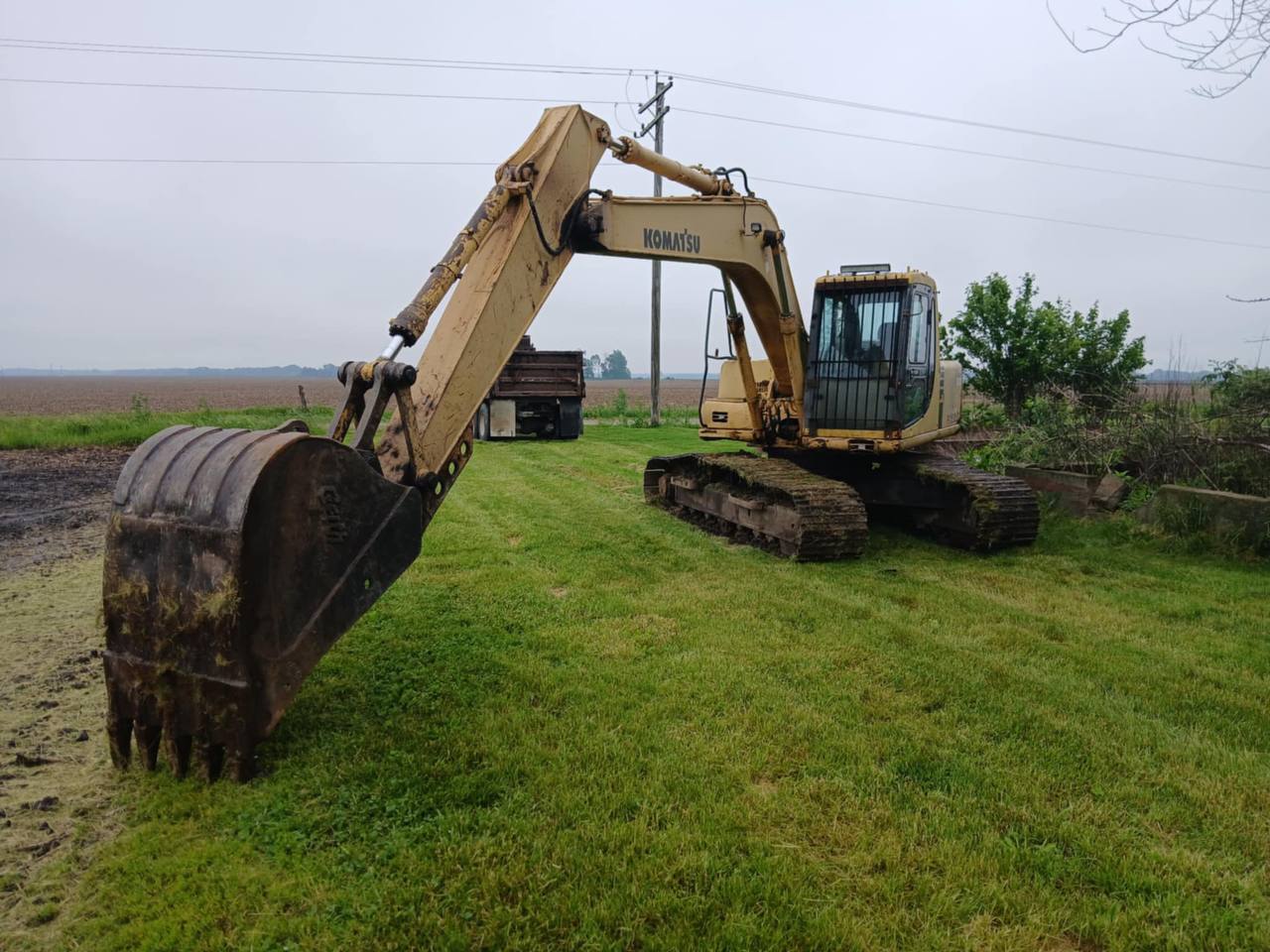
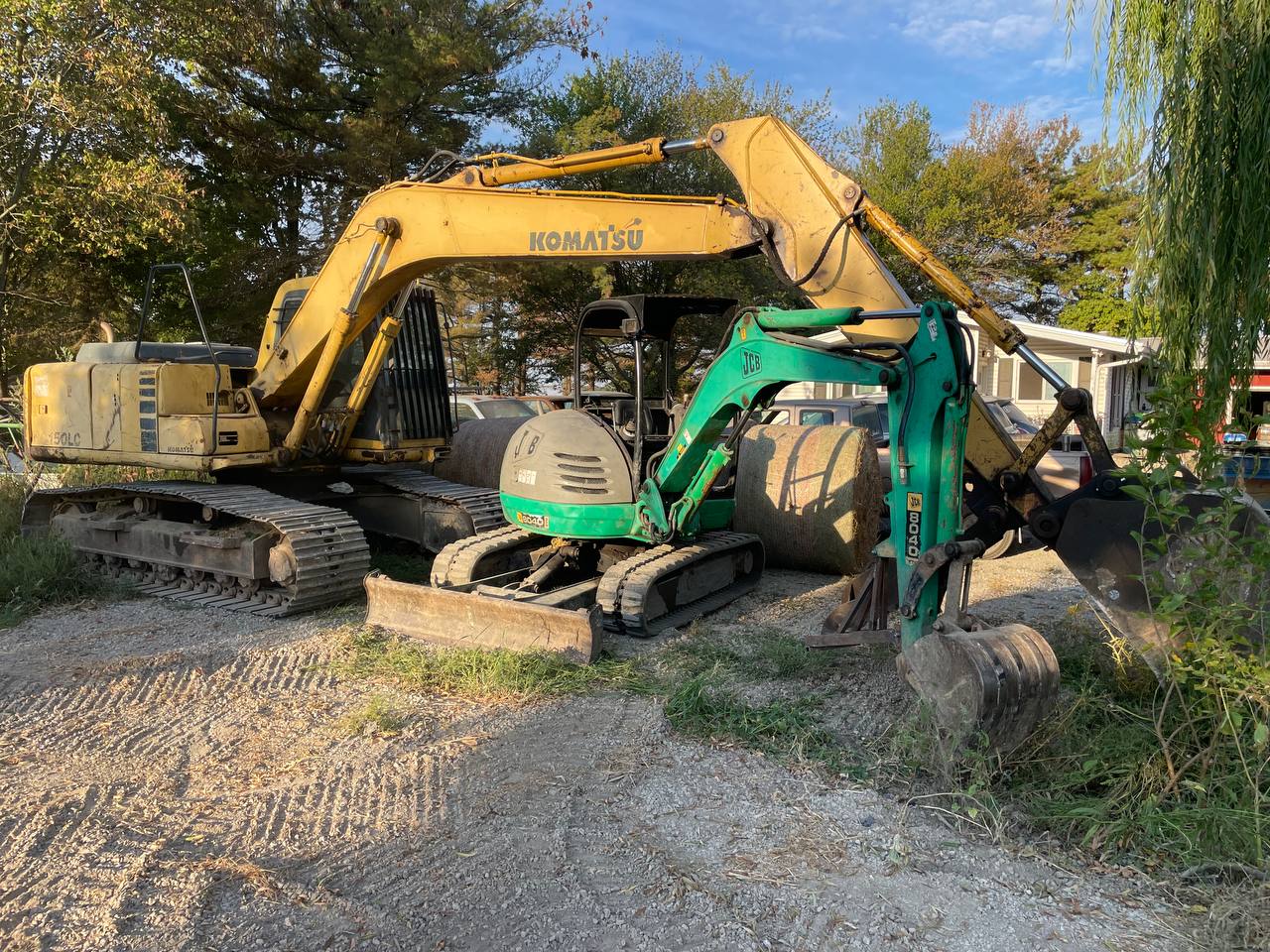
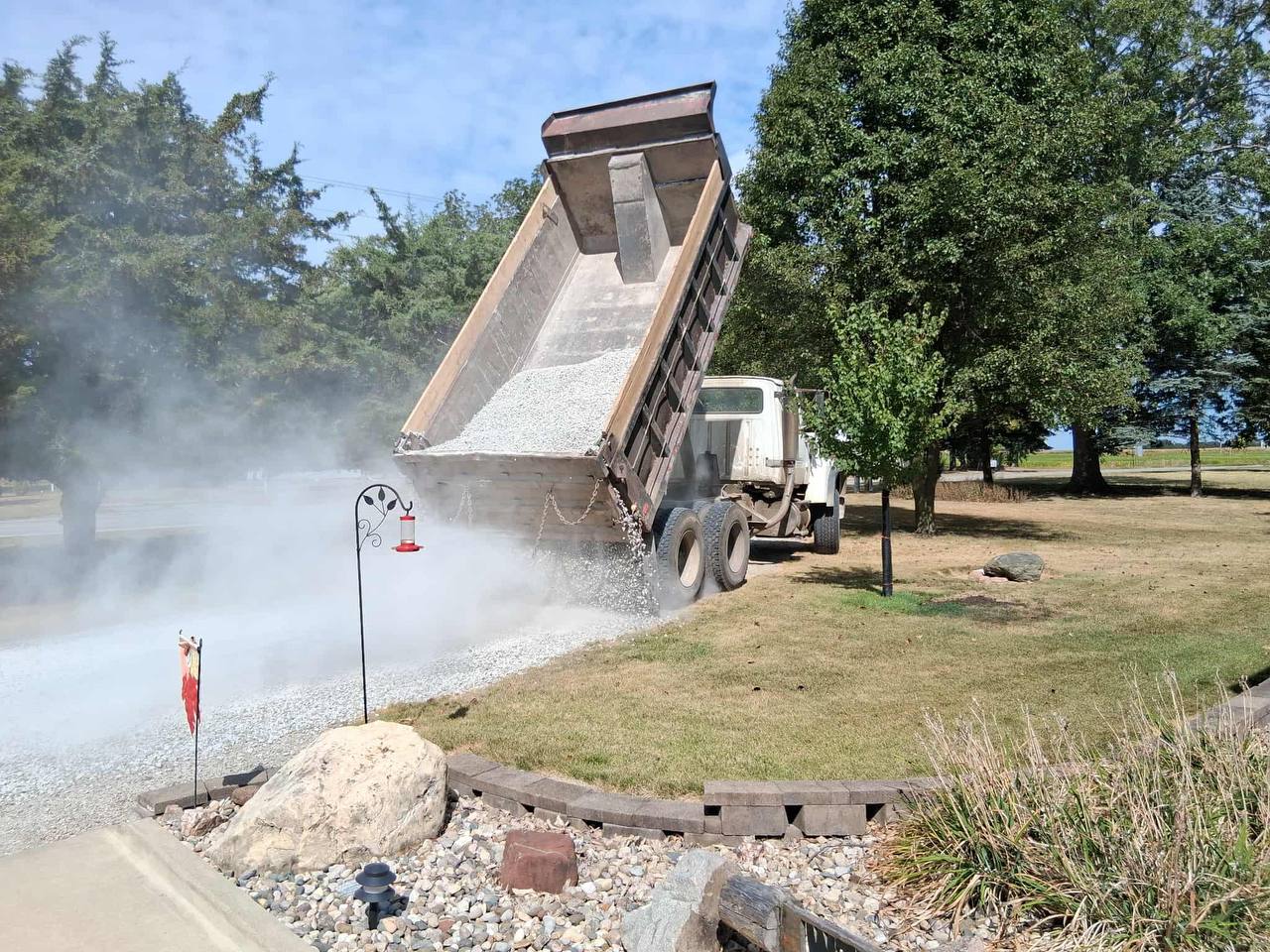
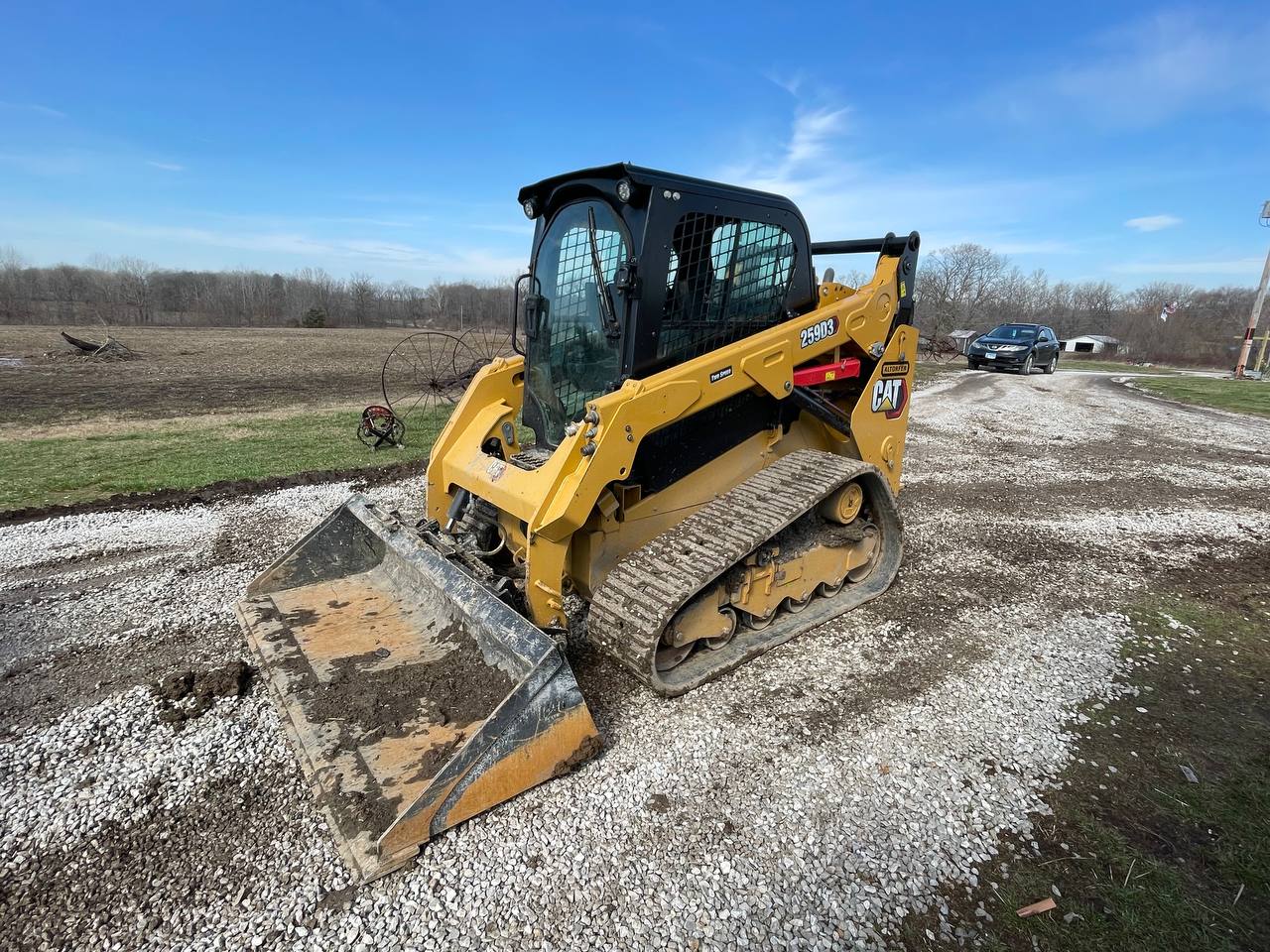
Driveway and field culverts we have built in central Illinois, permit in hand.
Almost every driveway entrance sits in somebody else's right-of-way. Which office has to say yes depends on the road you're connecting to — not on your property. Here's how to figure out which one, and what they'll want, before you buy pipe.
📞 Call (217) 809-0779 Free EstimateTownship road → the township road district / highway commissioner. County highway → the county highway department or county engineer. US or Illinois route → IDOT, under 605 ILCS 5/4-209. City or village street → the municipality. Start the permit before you schedule the work, and don't buy pipe until you know the district's minimum size.
The part that trips people up isn't the paperwork. It's that landowners reason from their property — “it's my driveway” — when the permit follows the road.
The pipe under your entrance sits in the road right-of-way, which is public. Putting something in it, or taking something out of it, needs the road authority's permission. That authority is whoever maintains the road at your frontage, and in rural central Illinois that is most often a township road district — the smallest and most local of the four, run by an elected highway commissioner who may well be a farmer you know.
This page is a plain guide to sorting that out. What it deliberately does not do is tell you your township's minimum pipe size or fee. There are dozens of road districts inside our 60-mile radius and their rules genuinely differ, so a number printed here would be a guess — and a guess is how a permit gets denied after the pipe is already bought.
Four kinds of road, four different offices. Most rural entrances are the first one.
Township road. Most gravel and oil-and-chip roads with no route number, and a lot of the paved rural roads too. Township road districts operate under the Illinois Highway Code and issue their own right-of-way permits. You want the township highway commissioner — the township clerk can tell you who that is and how they prefer to be reached. This is the commonest answer for a farm entrance or a rural driveway in our area.
County highway. Usually the better-built rural roads, often with a county route marker. The county highway department or county engineer handles entrance permits. Even when your road turns out to be a township road, the county highway department is a good first call — they know the jurisdiction of every road in the county and will tell you in a minute which office you actually need.
US or Illinois route. Any state-maintained road. This is IDOT, and it is the most formal of the four: a permit is required for work in the right-of-way of an Interstate, US route, Illinois route, or state-maintained road under 605 ILCS 5/4-209, it has to be obtained before work starts, and a copy has to be kept at the worksite while the work is happening. IDOT runs this through its district offices — see IDOT Highway Permits and their district contact map.
City or village street. Inside municipal limits the city or village permits the entrance, often through a public works department or the building official, and there may be a sidewalk or curb-cut question on top of the culvert.
If you genuinely can't tell, the practical order is: call the county highway department, ask whose road it is, then call that office. Two phone calls and you're done guessing.
Forms differ; the questions behind them don't change much.
Fees and turnaround vary. So does formality — some districts have an online form and some have a commissioner who'd rather meet you at the entrance. Neither is a bad sign.
“There's already a pipe there” is the assumption that costs people a re-do.
Road authorities generally treat a replacement in their right-of-way as new work. Partly that's jurisdiction, and partly it's the practical fact that a replacement is the one moment the size and the grade can be corrected. A diameter that was accepted in 1985 may be below the current minimum, and the ditch flowline has almost certainly moved since then.
So don't order pipe to match what you're pulling out. Two things should set the new diameter: the drainage area actually coming to that entrance, and whatever floor the road district specifies — whichever is larger. We size to the water first and then check it against the district, because a pipe that satisfies the permit and still backs water over your drive has solved the wrong problem.
How the work itself goes is on our culvert replacement page; new entrances are on culvert installation and repair.
We're not a permit service and we won't pretend the paperwork is ours — the application usually has to come from the property owner, because it's your access being permitted and you're better off holding it in your own name. What we do is tell you which authority has your road, tell you what they're likely to ask for, size the pipe to the water so the number you put on the form is defensible, and then build the entrance to whatever spec comes back. We work to road-authority spec in public works settings regularly.
Sizing questions before you call anybody? The driveway culvert plastic vs. metal and sizing guide covers material and diameter, and driveway culvert replacement in central Illinois walks a real replacement start to finish.
General guidance for central Illinois landowners, not legal advice. Requirements differ by road district and change over time — confirm with the authority that owns your road before you order pipe or break ground.
Talk to Levi — the man running the machine, not a call center. Call (217) 809-0779.
Driveway and field culverts we have built in central Illinois, permit in hand.
If the culvert sits in a public road right-of-way — which almost every driveway entrance does — then yes, you normally need permission from whoever owns that road before anything is dug. Which office that is depends on the road, not on your property. A township road, a county highway, a state route, and a city street are four different authorities with four different processes.
Whoever has jurisdiction over the road your entrance connects to. Most rural entrances in our area come off a township road, so the township road district and its highway commissioner are the usual answer. If your frontage is a county highway, it is the county highway department or county engineer. If it is a US or Illinois route, it is IDOT. Inside a city or village, it is the municipality. When a road looks like it could be two of those, the county highway department can usually tell you which it is in one phone call.
Yes. IDOT requires a permit for work within the right-of-way of an Interstate, a US route, an Illinois route, or any state-maintained road, under 605 ILCS 5/4-209. The permit has to be in hand before work starts, and a copy has to be at the worksite while the work is going on. IDOT handles these through its district offices and publishes a district contact map on its Highway Permits page.
Often yes, even though pipe is already in the ground. Road authorities generally treat a replacement in their right-of-way as new work, partly because it is the moment the size and grade can be corrected. Do not assume the old pipe's size is still approved — a diameter that was accepted decades ago may be under the current minimum. See our culvert replacement page for how the work itself goes.
Expect to identify the property and the exact entrance location, say what pipe you intend to use — diameter, length, and material — and show how the ends will be finished. Many districts want a simple sketch rather than an engineered drawing. Some inspect the ditch before approving and some inspect the finished work. Fees, forms, and turnaround vary by district, which is why we tell people to call before buying pipe.
Sometimes. A number of road districts set a minimum diameter and a minimum length for an entrance, and some specify material or end treatment. That minimum is a floor, not a design — the right size for your entrance depends on the drainage area coming to it and the fall available in the ditch, and it is frequently larger than the stated minimum. We size to the water and then check that it also satisfies the district.
Deep enough that the bottom of the pipe — the invert — sits at the flow line of the existing ditch. That is the actual spec, and it is why there is no single cover number to quote. A culvert is not a buried utility you can set at whatever depth is convenient; it carries the ditch under your drive, so its invert has to match the grade the water is already running at. Set it too high and you have built a small dam that ponds water upstream and works at the fill until the shoulder lets go. Set it too low and it silts shut and you are cleaning it out every year.
The rest of the depth — how much material ends up over the pipe — falls out of that invert plus the drive profile the road authority wants, and which authority sets it depends on whose road you are on. One concrete in-radius example: the Champaign County Highway Department’s requirements for entrance culverts on county highways state the pipe shall be laid to the flow line grade of the existing ditch, set the minimum at 15 inches diameter by 30 feet of corrugated metal pipe, cap the side slope from the top of the entrance to the bottom of the ditch at 3:1, and call for the drive surface to be at least the equivalent of 6 inches of crushed stone sloping away from the road. A township road district or IDOT will have its own numbers.
So in practice: we shoot the ditch flow line, set the invert to it, and build the cover and approach to whatever the permit calls for on top. We confirm the current spec with your road authority before we dig, because these do get amended.
We will help you sort it out — figure out which authority has the road, tell you what they are likely to ask, and build the entrance to whatever spec comes back. The application itself usually has to come from the property owner, since it is your access being permitted, and we would rather it be filed in your name than have you inherit a problem later. We do this work in public-works settings regularly and we are used to building to a road authority's spec.
It varies widely. A township commissioner may look at it the same week; a county or IDOT permit takes longer and is a paper process. The practical advice is to start the permit before you schedule the work, not after — that is the single most common reason a driveway job slips.
You are working in somebody else's right-of-way without permission. The road authority can require the entrance removed or rebuilt at your cost, and if the pipe is undersized you may be liable for water it backs onto the road or a neighbour. It is not worth it — the permit is usually the cheapest part of the job.
Mattoon, Illinois out to about 60 miles — Coles, Douglas, Moultrie, Cumberland, Shelby, Effingham, Edgar, Clark, Champaign, and Piatt counties, plus the surrounding area. That covers Charleston, Sullivan, Arcola, Tuscola, Arthur, Neoga, Shelbyville, Effingham, Paris, Champaign, Urbana, Decatur, and the villages in between.
We're a small owner-operated outfit and reviews are how the next neighbor finds us. If you mention the culvert work and the town you're in, that's what helps somebody nearby searching for the same job. Whatever you write is up to you — honest feedback either way.
We'll come look at the entrance, tell you which office has the road, and give you a straight number. Free on-site estimate.
📞 Call (217) 809-0779 Contact Us